
Fifty architects and designers you need to know on Earth Day
To celebrate Earth Day we’ve compiled a list of 50 people who are pushing the boundaries of sustainable architecture and design.
Architects and designers have a key role to play in reducing carbon emissions, pollution and waste while protecting biodiversity.
Here are 50 individuals and studios who are doing pioneering work, ranging from architects exploring timber construction to designers thinking radically about circularity and scientists developing new low-carbon materials.

Adebayo Oke-Lawal, founder of Orange Culture
Adebayo Oke-Lawal is a Nigerian fashion designer. His label, Orange Culture, strives to minimise waste and sources 90 per cent of its supply chain in Nigeria.
He was featured in Circular Design for Fashion, a book aimed at helping the fashion industry become more circular published by the Ellen MacArthur Foundation.
Find out more about Adebayo Oke-Lawal and Orange Culture ›
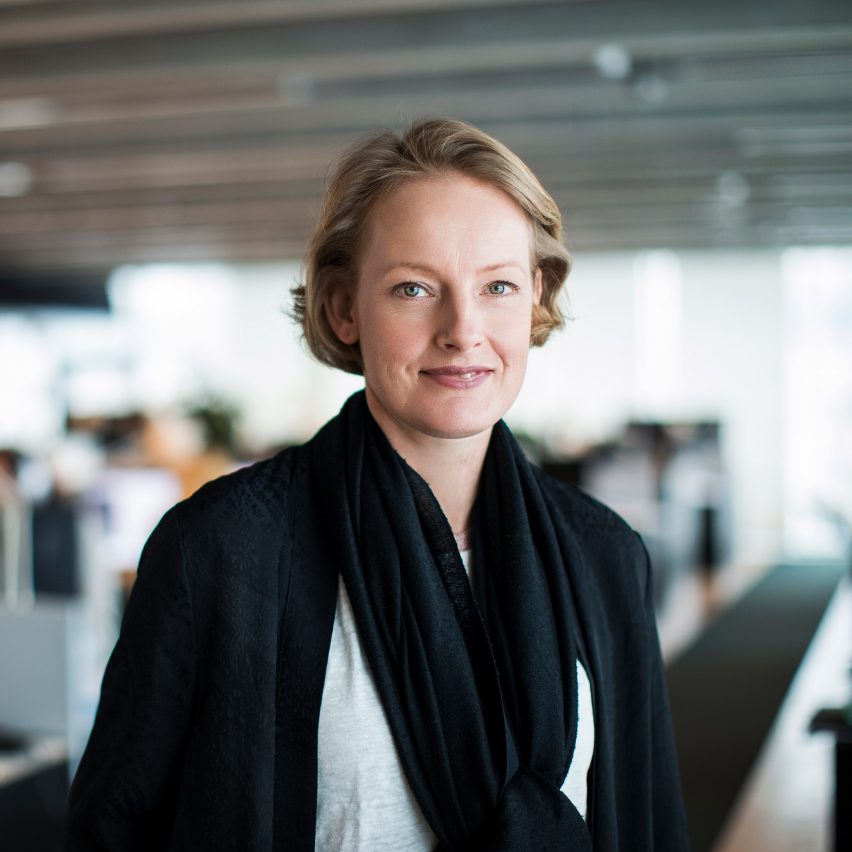
Alexandra Hagen, CEO of White Arkitekter
As CEO of Swedish architecture firm White Arkitekter, Alexandra Hagen is an industry leader in the shift towards more sustainable, zero-carbon buildings.
The studio has built up an impressive portfolio of structures that go beyond net-zero to carbon negative, including the Sara Kulturhus Centre, which is the world’s second-tallest wooden tower and was featured in the UK Green Building Council’s list of 17 exemplary sustainable projects compiled for the COP26 climate summit.
White Arkitekter has pledged to design only carbon-neutral or carbon-negative buildings by 2030.
Find out more about Alexandra Hagen and White Arkitekter ›
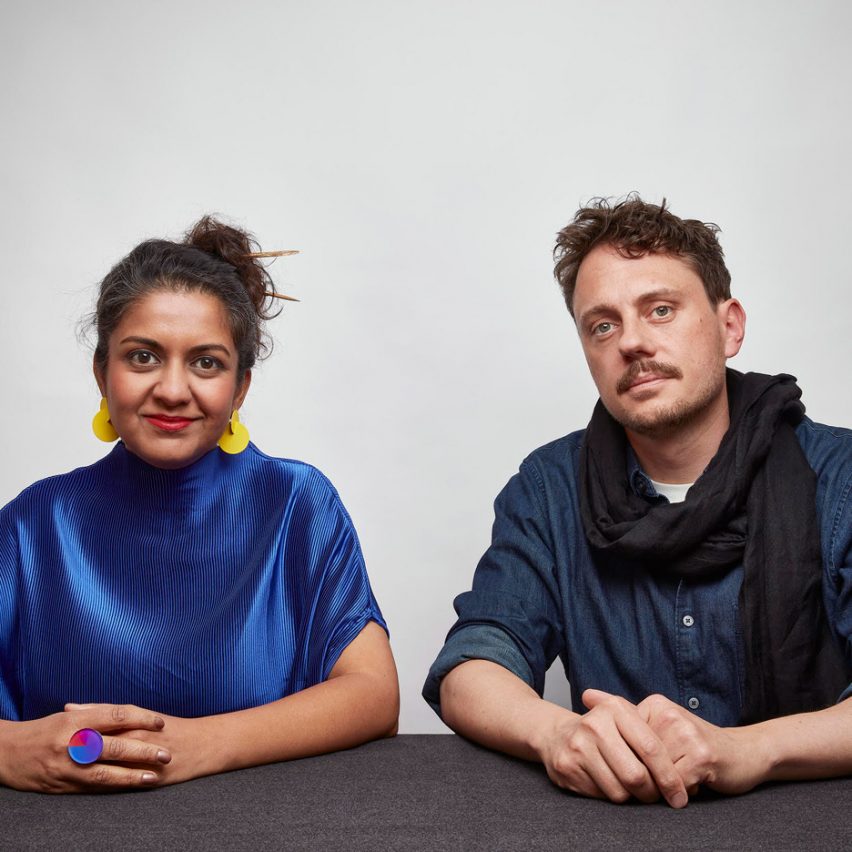
Anab Jain and Jon Ardern, co-founders of Superflux
Anab Jain and Jon Ardern’s design and film studio Superflux was born in 2009 out of a desire to explore the intersection between the environment, technology and culture.
Their recent installation at the Museum of Applied Arts in Vienna, which aimed to raise awareness about climate change, featured 415 fire-damaged pine trees surrounding an oasis of living plants and water.
Last year the pair took part in the Dezeen 15 virtual festival, proposing a new framework for caring for the planet.
Find out more about Superflux ›
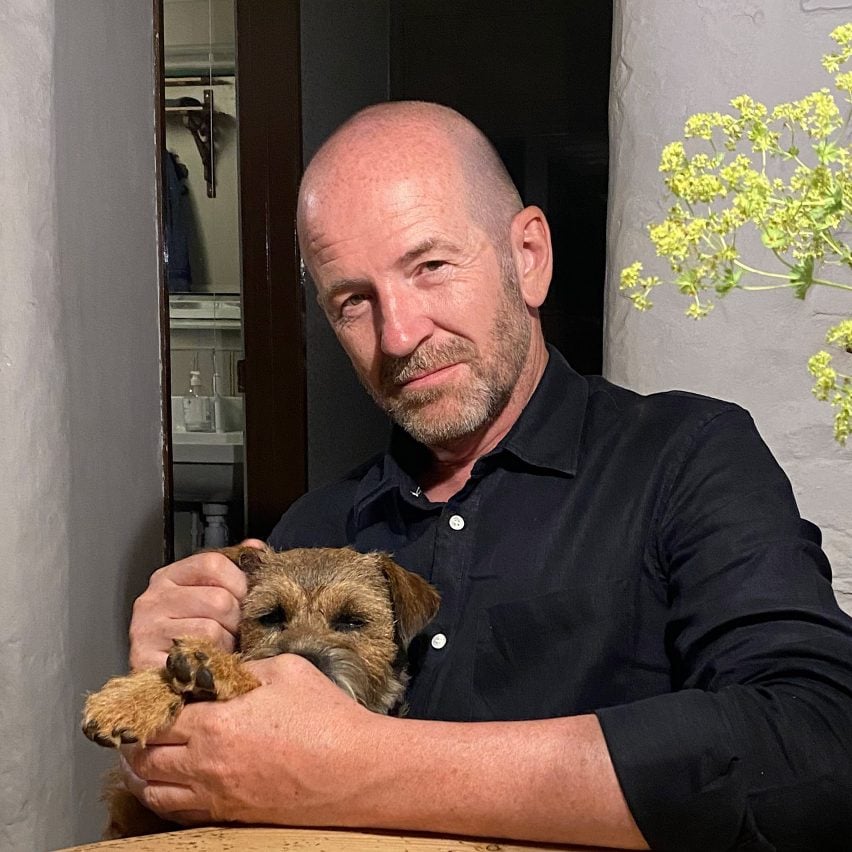
Andrew Waugh, co-founder of Waugh Thistleton Architects
Andrew Waugh has long been a vocal advocate for building more sustainably and has been an outspoken critic of existing UK regulations relating to environmental construction.
As part of his role in the Architects Declare pressure group, Waugh co-authored a recent report setting out ways to reduce carbon emissions associated with the built environment.
His own practice, London-based Waugh Thistleton Architects, is known for the extensive use of timber in its projects. A recent office building in London is designed to be fully demountable so it can be taken apart and its materials re-used at the end of its life.
Find out more about Andrew Waugh ›

Arthur Huang, founder of Miniwiz
Taiwanese structural engineer and architect Arthur Huang has been developing novel recycling techniques and machinery for nearly 20 years with his company Miniwiz.
After helping major brands such as Nike to create installations, packaging and other products from post-consumer waste materials, the business is now focused on democratising the recycling process and making it more easily accessible to everyday consumers.
For this purpose, Miniwiz has created a mobile recycling plant called Trashpresso, which received the World Design Impact Prize in 2021 and condenses the same recycling line that normally takes over entire industrial plants into two mobile units about the size of a refrigerator.
Find out more about Arthur Huang ›
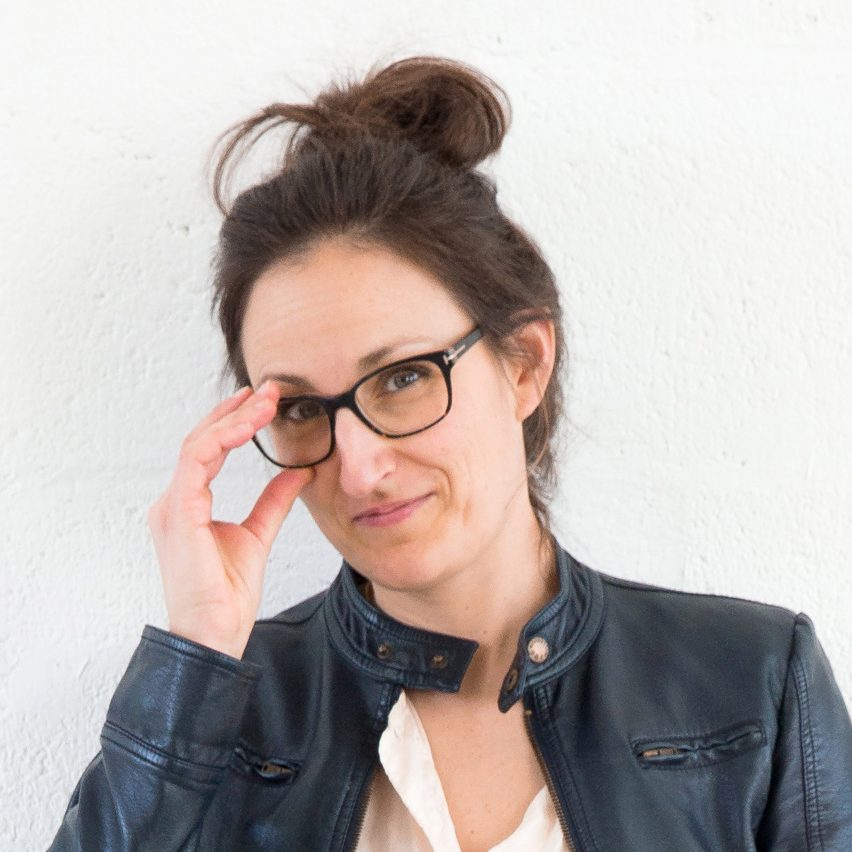
Babette Porcelijn, designer and writer
Babette Porcelijn is a Dutch designer, author and speaker with an unusually broad range of knowledge about environmental issues and a strong belief in designers’ potential to make a difference.
She co-wrote The Hidden Impact, a book that lifts the lid on the lesser-known damage that Western economies and lifestyles continue to wreak on the planet. It contends that industrial products created with the help of designers, like mobile phones, are the biggest contributors to climate change.
Find out more about Babette Porcelijn ›

Bethany Williams, fashion designer
Bethany Williams is a fashion designer, humanitarian and artist. She graduated from Brighton University with a degree in Critical Fine Art before going on to study and receive a master’s from the London College of Fashion in Menswear.
Williams launched her eponymous brand in 2017 and has since strived to address social and environmental issues. She is best known for using and repurposing waste and scraps within her works as well as collaborating with local grassroots programs to convey how fashion and design can be inclusive.
An exhibition at the Design Museum recently opened showcasing Williams’ commitment to sustainability.
Find out more about Bethany Williams ›

Charlotte McCurdy, designer and researcher
New York designer Charlotte McCurdy takes providing solutions to the problems caused by climate change as the starting point for her work.
The fashion designer uses biomaterials and carbon sequestration technology in her products such as a dress adorned with algae sequins and a raincoat made from algae bioplastic.
Find out more about Charlotte McCurdy ›
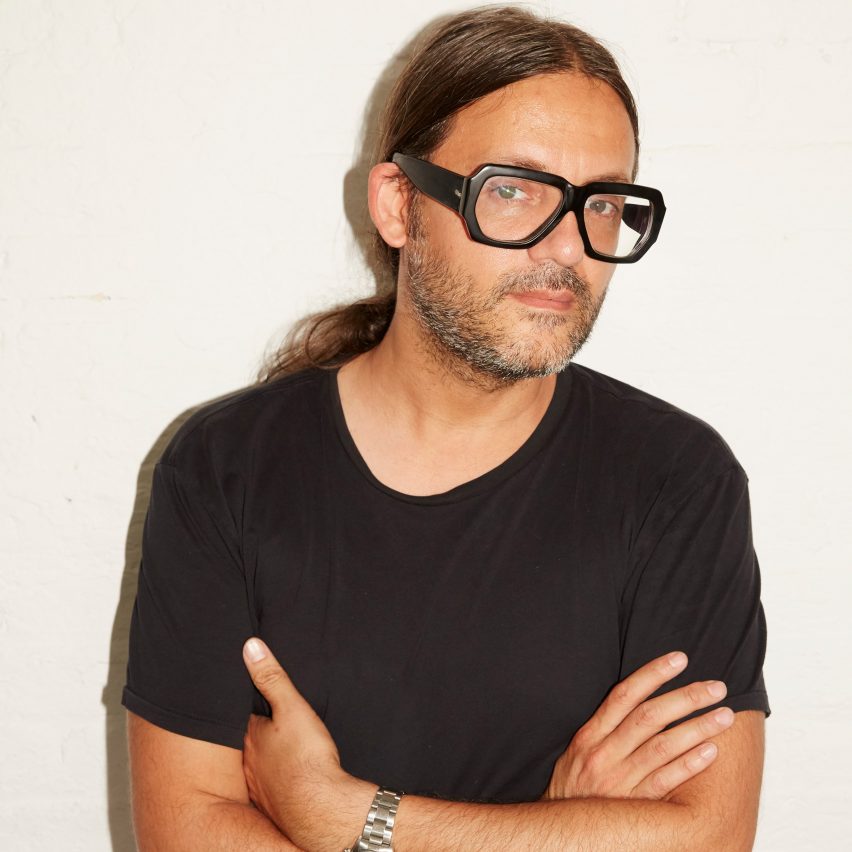
Cyrill Gutsch, founder of Parley for the Oceans
Cyrill Gutsch is a leading voice on the health of the world’s oceans and in calls for the fashion industry to tackle ocean pollution.
His company, Parley for the Oceans, was one of the first to promote the repurposing of ocean plastic, using it to make trainers, sports kits, clothing, trophies and even a floating tennis court.
In a 2020 interview with Dezeen, he warned that the circular economy “will never work with the materials we have” and requires plastic to be replaced with biofabricated substances.
Find out more about Cyrill Gutsch ›
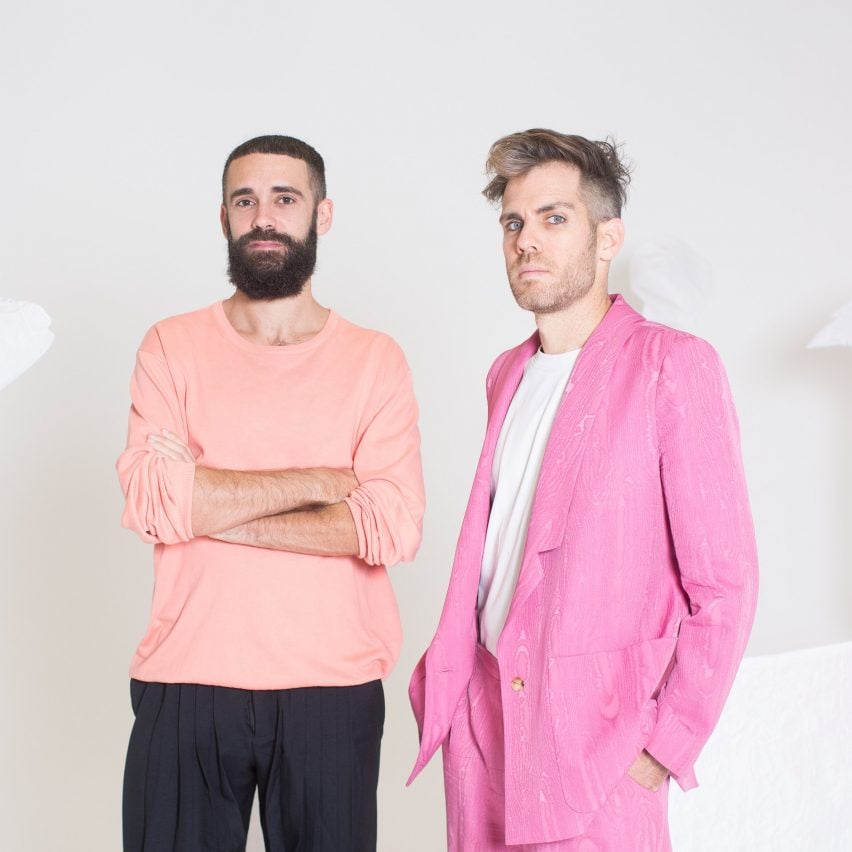
Daniel Fernández Pascual and Alon Schwabe, Cooking Sections
Art duo Cooking Sections investigate the environmental impact of food through architecture and design. Their work includes Climavore, an ongoing project about how we can change what we eat to respond to climate change, which was initiated in 2015 and nominated for the 2021 Turner Prize.
“Food is one of the main drivers and forces that is shaping the ecology of the planet, within and around us,” Cooking Sections co-founders Daniel Fernández Pascual and Alon Schwabe explained in a recent interview with Dezeen.
The pair also created a zero-water garden in Sharjah to demonstrate how desert plants can be used as an alternative to water-hungry plants in arid cities.
Find out more about Cooking Sections ›
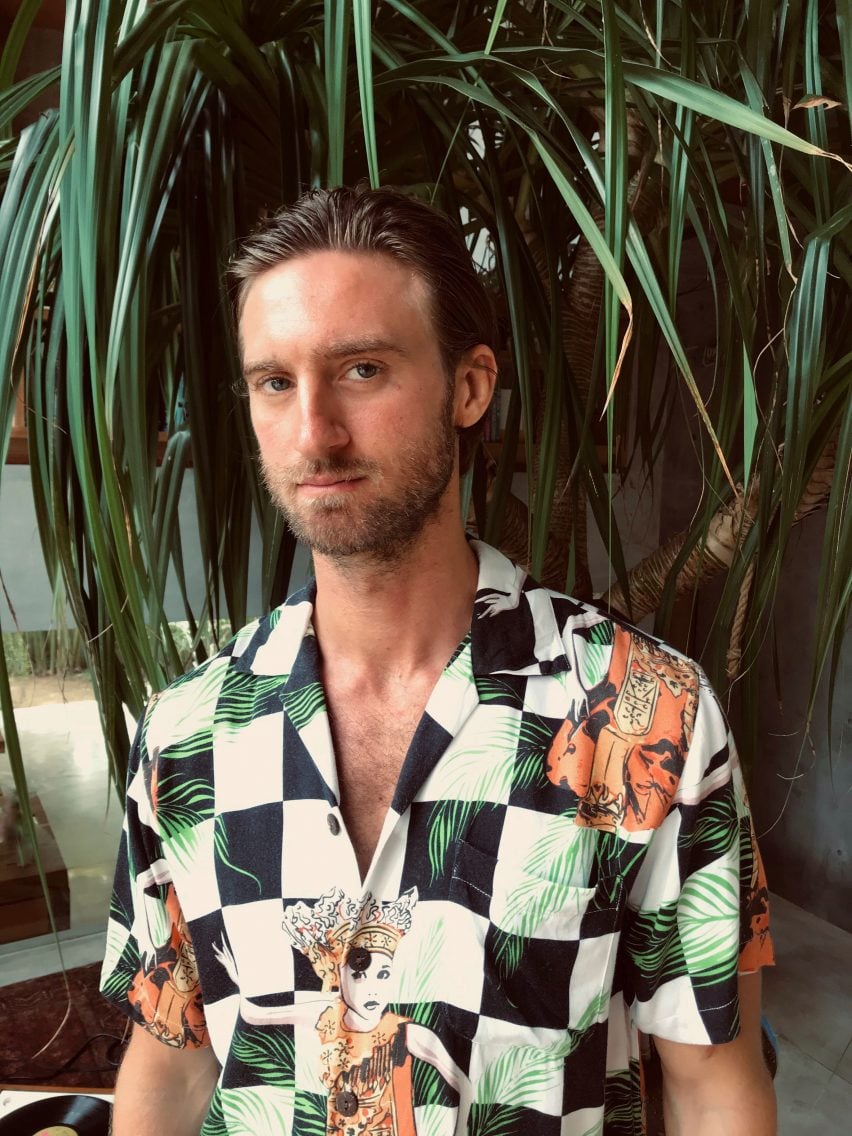
Daniel Mitchell, founder of Space Available
UK-born architect and designer Daniel Mitchell now lives in Bali, Indonesia, where was formerly creative director of the hospitality brand Potato Head and has since launched multidisciplinary studio Space Available.
While at Potato Head he introduced a move towards zero waste as part of embracing circular economy principles. Notable projects he worked on include the Katamama hotel, which uses local crafts and materials. In 2020, Mitchell took part in a live talk hosted by Dezeen on how art and architecture came together for the project.
Space Available consults brands on circularity and produces its design own products made from waste materials.
Find out more about Space Available ›

Darshil Shah, senior researcher at the University of Cambridge
Dr Darshil Shah is a senior researcher within the Centre for Natural Material Innovation at Cambridge University, where he works to develop new biomaterials.
He is a leading expert on low-carbon construction materials, particularly hemp, and how they can be used in different industries, including construction, transport, healthcare and wind energy.
Last summer, he told Dezeen that hemp is “more effective than trees” at sequestering carbon from the atmosphere.
Find out more about Darshil Shah ›
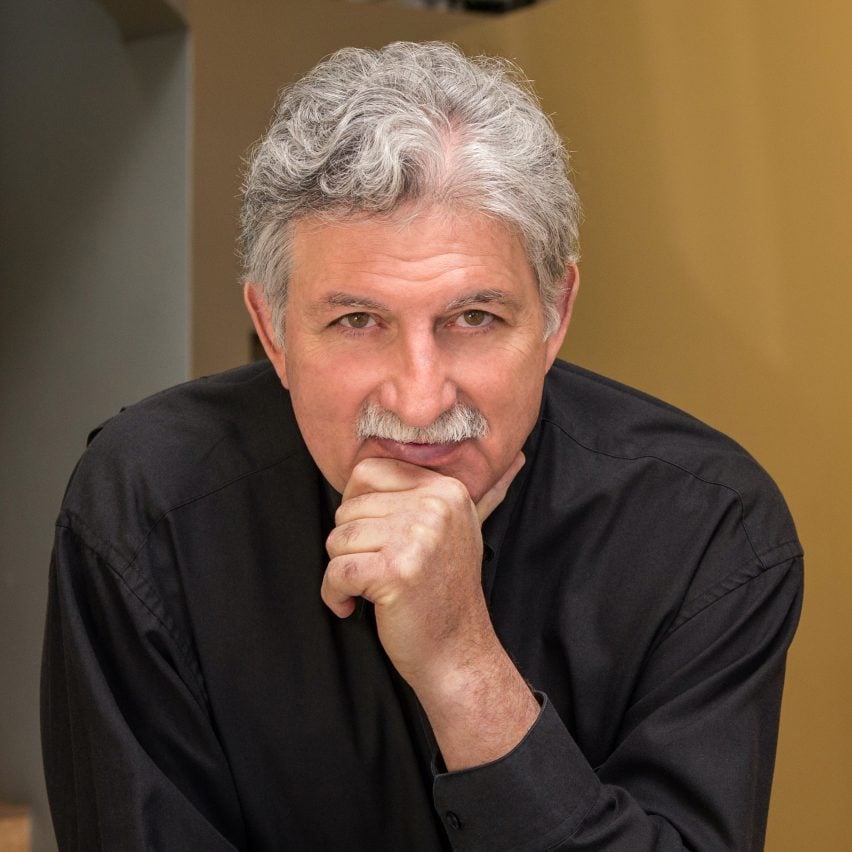
Edward Mazria, founder of Architecture 2030
Edward Mazria is an internationally recognised architect, author and researcher who has dedicated the past four decades of his career to advocating for sustainable architecture.
He is best known for founding the pro-bono organisation Architecture 2030, which exists to help transform the built environment from a contributor to a solution in the climate emergency. As part of Architecture 2030, he has launched initiatives such as the 2030 Challenge and addressed world leaders at events including the 2015 United Nations Climate Change Conference.
In 2021, the AIA awarded Mazria its coveted Gold Medal prize for his “unwavering voice and leadership” in the fight against climate change. Last August, he set out three steps for architects to reach zero-carbon through their work in a piece for Dezeen.
Find out more about Edward Mazria ›
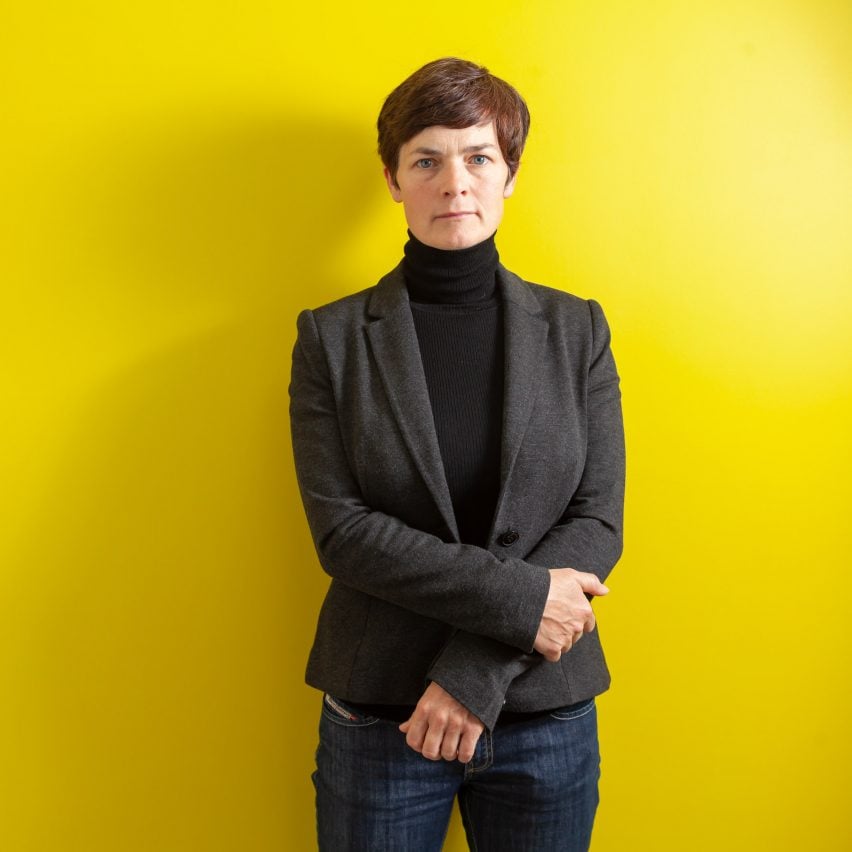
Ellen MacArthur, former sailor and founder of the Ellen MacArthur Foundation
Ellen MacArthur became one of the world’s preeminent advocates for the circular economy after the former round-the-world sailor retired from yachting to launch the Ellen MacArthur Foundation in 2010.
Since then, the charity has partnered with some of the biggest brands in the world to accelerate the shift towards a circular economy and published a number of influential reports on plastic pollution and textile waste, alongside practical guides on how to design products and garments in a more circular way.
Among the foundation’s widely publicised findings is the claim that there could be more plastic than fish in the sea by 2050, which served as a rallying cry for anti-pollution activists around the world.
Find out more about Ellen MacArthur ›
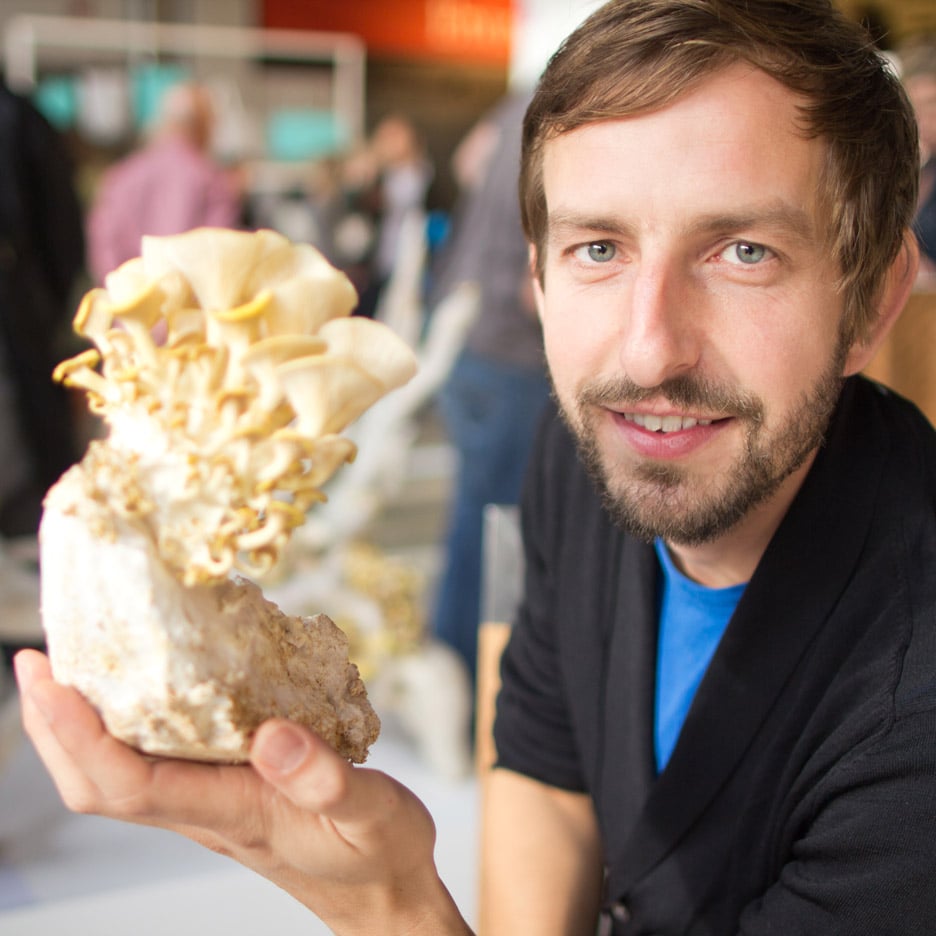
Eric Klarenbeek, co-founder of Studio Klarenbeek & Dros
Dutch designer Eric Klarenbeek has pioneered ways of using bioplastics made from mycelium and algae in combination with 3D printing, as an alternative to materials derived from fossil fuels.
Klarenbeek’s projects include a 3D-printed chair made out of living fungus that continues to grow, strengthening the product over time. He believes the method could eventually be used to make larger, more complex structures such as houses.
His studio, run in partnership with fellow Dutch designer Maartje Dros, was also a collaborator on a pavilion built with panels grown from mushroom mycelium.
Find out more about Eric Klarenbeek ›

Gabriela Hearst, creative director of Chloé
Born in Uruguay at her family’s remote ranch, Gabriela Hearst is a fashion designer and creative director of luxury fashion house Chloé, as well as being founder of her own eponymous label.
Hearst is best known for her forward-thinking approach to sustainability and slow-growth business ethos.
Since 2015, Hearst has committed to using deadstock fabrics, non-virgin materials and becoming plastic-free. As creative director at Chloé, Hearst was instrumental in helping the company secure a B Corp environmental certification, becoming the first luxury brand to achieve that status.
Find out more about Gabriela Hearst ›
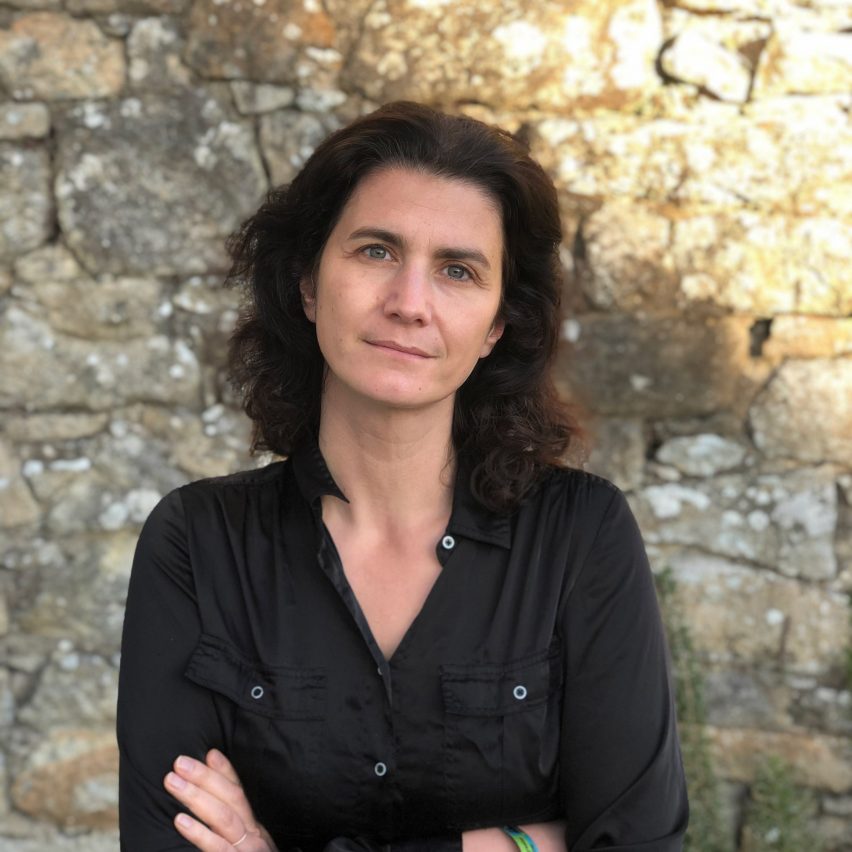
Hélène Chartier, director of urban planning and design at C40 Cities
Hélène Chartier is the director of urban planning and design for C40 Cities – a network that coordinates the decarbonisation strategies of nearly 100 of the world’s largest cities, which together make up one-quarter of the global economy.
Through projects such as the Reinventing Cities competition, she brings together architects and planners with city leaders to encourage the widespread adoption of zero-carbon building strategies.
Before joining C40, Chartier was responsible for advising visionary Paris mayor Anne Hidalgo, who has made headlines for her approach to sustainable urban regeneration.
Find out more about Hélène Chartier ›
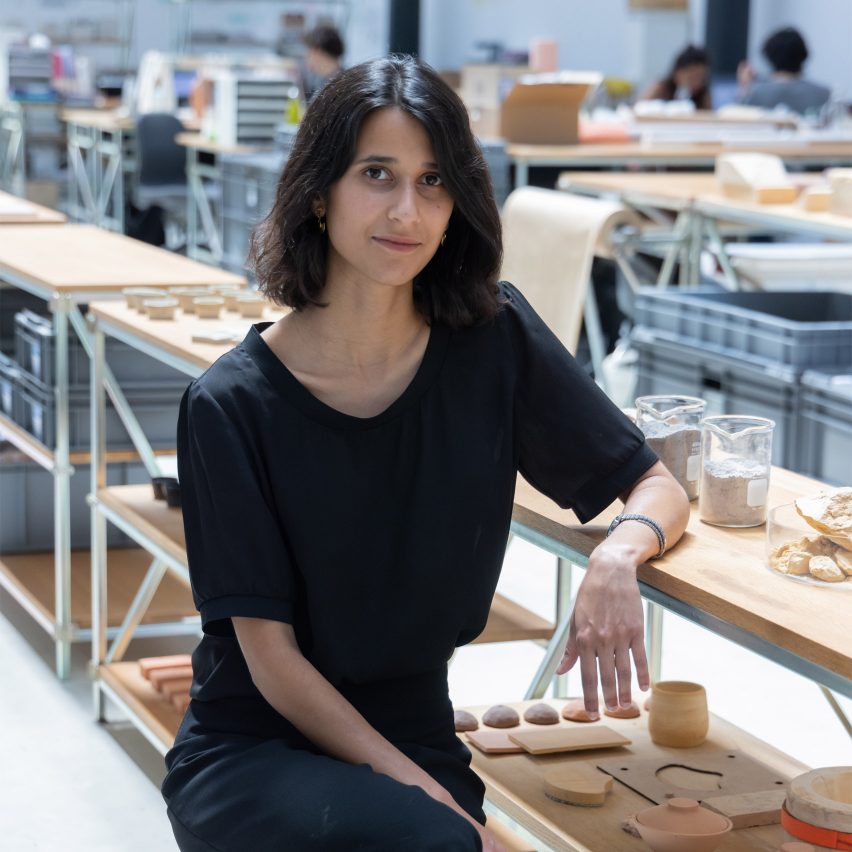
Henna Burney, product designer at Atelier Luma
Henna Burney is a Columbian product designer based at Atelier Luma, a design and research laboratory in Arles, France.
She specialises in developing biomaterials and discovering new purposes for low-value materials that are often overlooked. Most recently, this saw Burney and her design partner Kalijn Sibbel create cladding made from salt, which is installed inside Frank Gehry’s tower for the Luma Foundation.
Other young designers at Atelier Luma also made biomaterial interior finishes for the Luma Foundation tower, such as algae tiles for the bathrooms and acoustic panels made from sunflower stems.
Find out more about Henna Burney ›
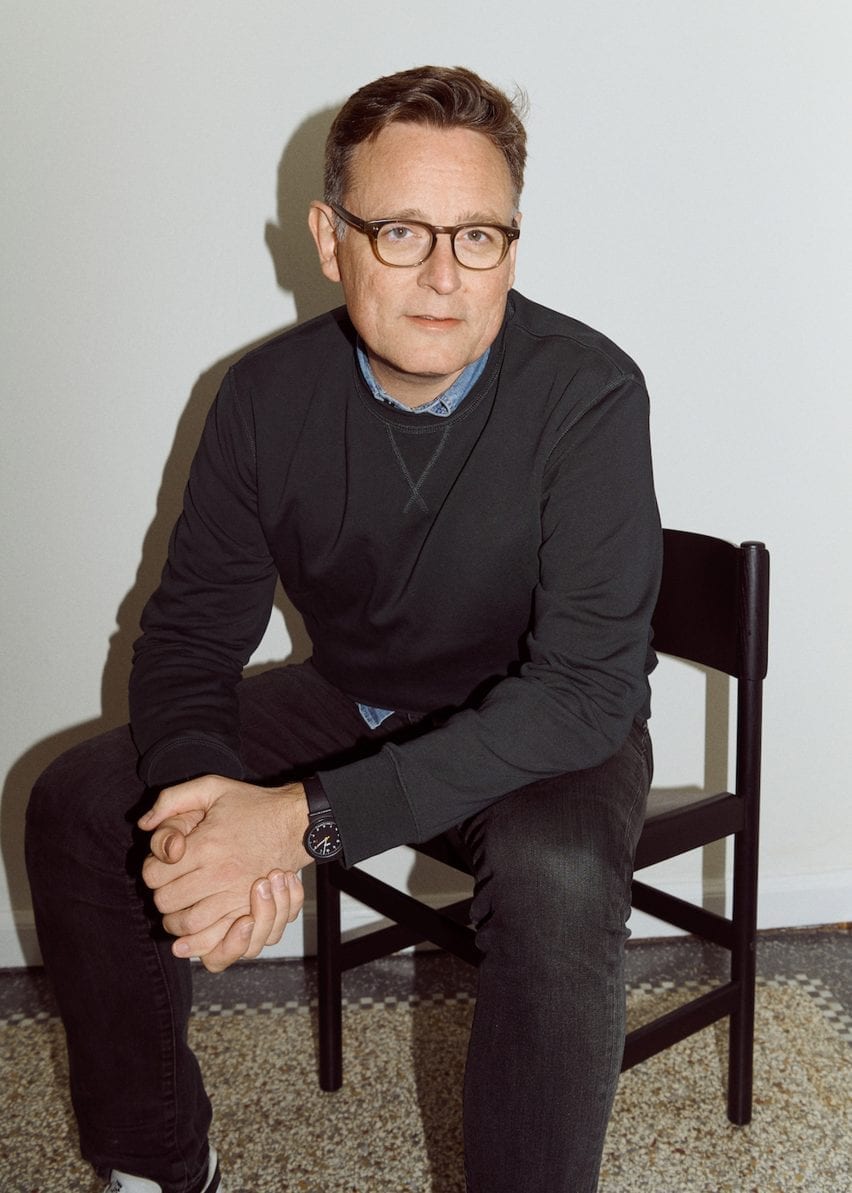
Henrik Taudorf Lorensen, founder of Takt
With Takt, trained physicist Henrik Taudorf Lorenson has built one of the most carbon-conscious furniture brands on the market today.
All of its products are EU Ecolabelled and made from FSC-certified wood in order to reduce their carbon footprint, which is displayed publicly on the Takt website.
The company already offsets all emissions from its products by investing in certified carbon removal projects and aims to be fully net-zero in the next 2 years.
Find out more about Takt ›
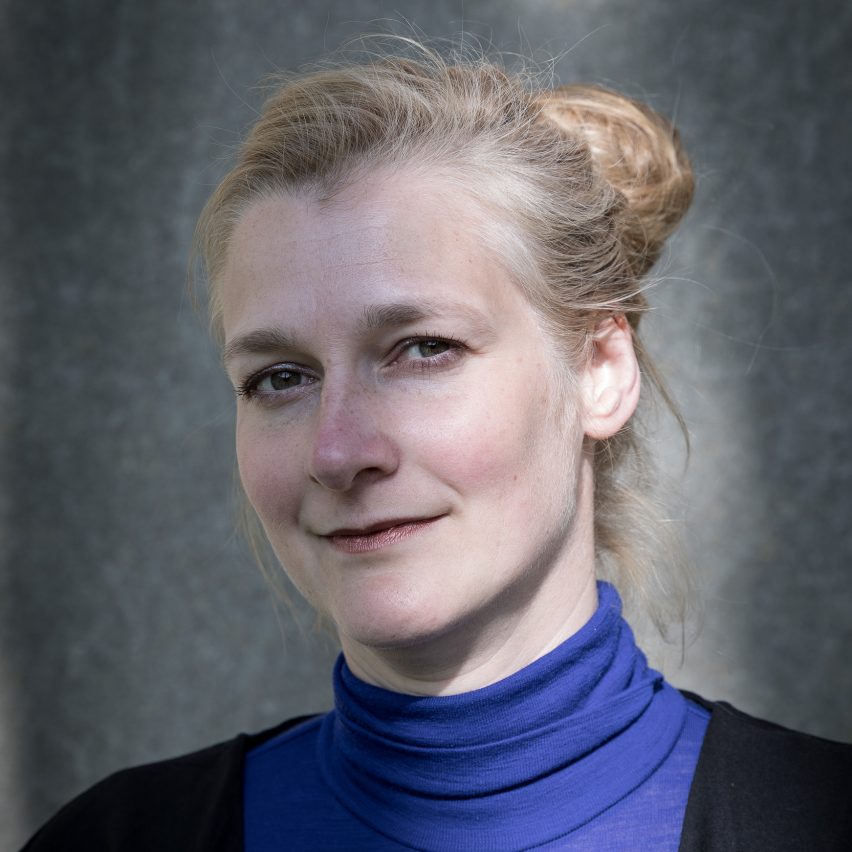
Hester van Dijk, co-founder of Overtreders W
Hester van Dijk is a co-founder and principal of Overtreders W, an Amsterdam-based spatial design studio that specialises in zero-waste architecture.
Its projects include the award-winning People’s Pavilion at the 2017 Dutch Design Week, made entirely from borrowed materials that were reused after the building was dismantled, as well as a zero-waste temporary restaurant and another reusable pavilion.
Van Dijk also founded Pretty Plastic, a startup that produces recyclable shingles from plastic waste that it claims are the first 100-per-cent-recycled cladding material.
Find out more about Overtreders W ›
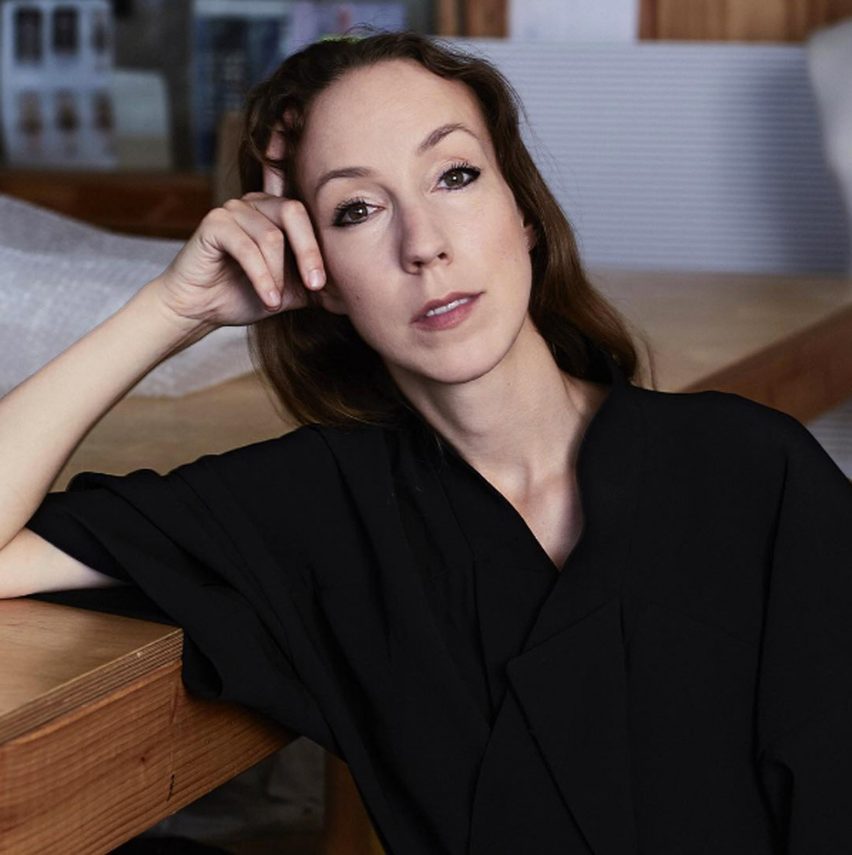
Iris van Herpen, fashion designer
Known for her experimental approach to fashion, Iris van Herpen’s couture collections often focus on the qualities of water and air, with one informed by the cyclical processes of planet Earth.
As well as exploring natural biomimetic processes of the planet, many of Van Herpen’s collections are made from unusual materials such as leather alternative mycelium.
In 2020, she sat down with Dezeen for a series of three exclusive video interviews to discuss her work.
Find out more about Iris van Herpen ›

Jalila Essaïdi, CEO of Inspidere BV
Jalila Essaïdi is a Dutch artist and inventor based in Eindhoven who specialises in bio-based materials.
She is the chief executive of biotechnology company Inspidere BV and the founder of the BioArt Laboratories foundation, which provides entrepreneurs with access to biotech labs.
Among her most notable projects is a fashion collection made from recycled cow dung, which simultaneously addressed the harmful global manure surplus and the potential to turn waste into a useful material.
Find out more about Jalila Essaïdi ›
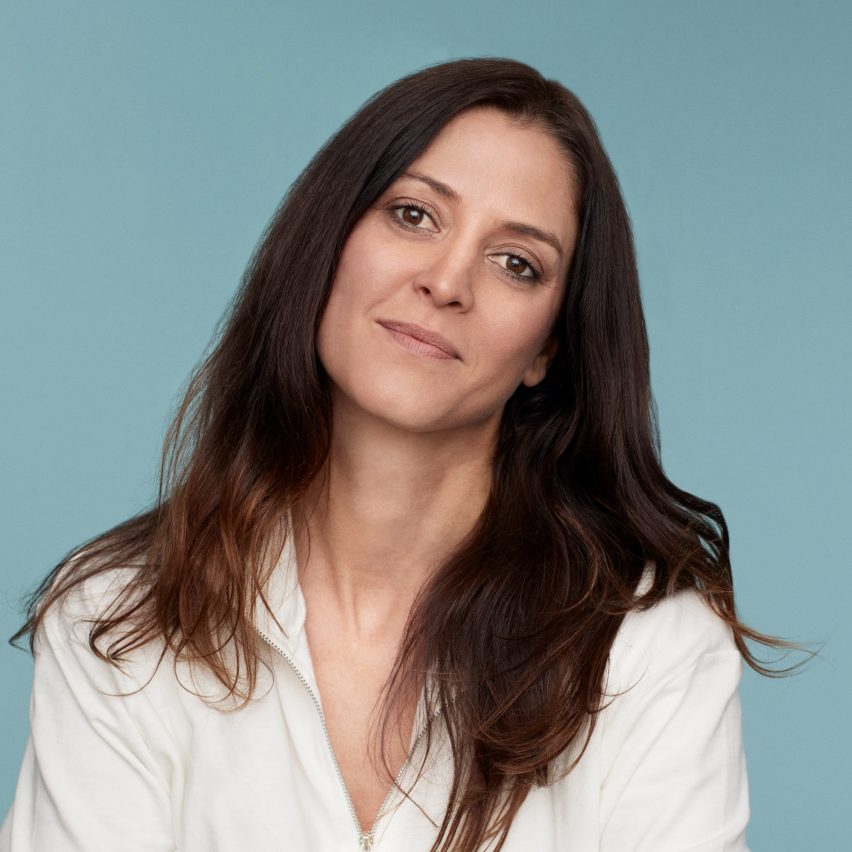
Julia Watson, designer and author
Designer and environmental activist Julia Watson is an expert in nature-based methods of dealing with the effects of climate change.
In her groundbreaking book, “Lo-Tek: Design by Radical Indigenism”, she explored how solutions to environmental issues could be found in the existing climate-resilient technologies of indigenous and traditional communities.
Watson’s eponymous studio helps find creative ways for businesses and projects to become more sustainable and symbiotic with nature.
Find out more about Julia Watson ›

Kabage Karanja and Stella Mutegi, co-founders of Cave Bureau
Kabage Karanja and Stella Mutegi are the co-founders of Cave Bureau, a Kenyan architecture and research studio focused on the relationship between buildings, infrastructure and nature.
Their work particularly tries to reconcile traditional cultures with present-day issues, such as sustainability. For Dezeen 15, Cave Bureau proposed replacing major roads in Nairobi with naturalistic “cow corridor” for Maasai people.
Find out more about Cave Bureau ›
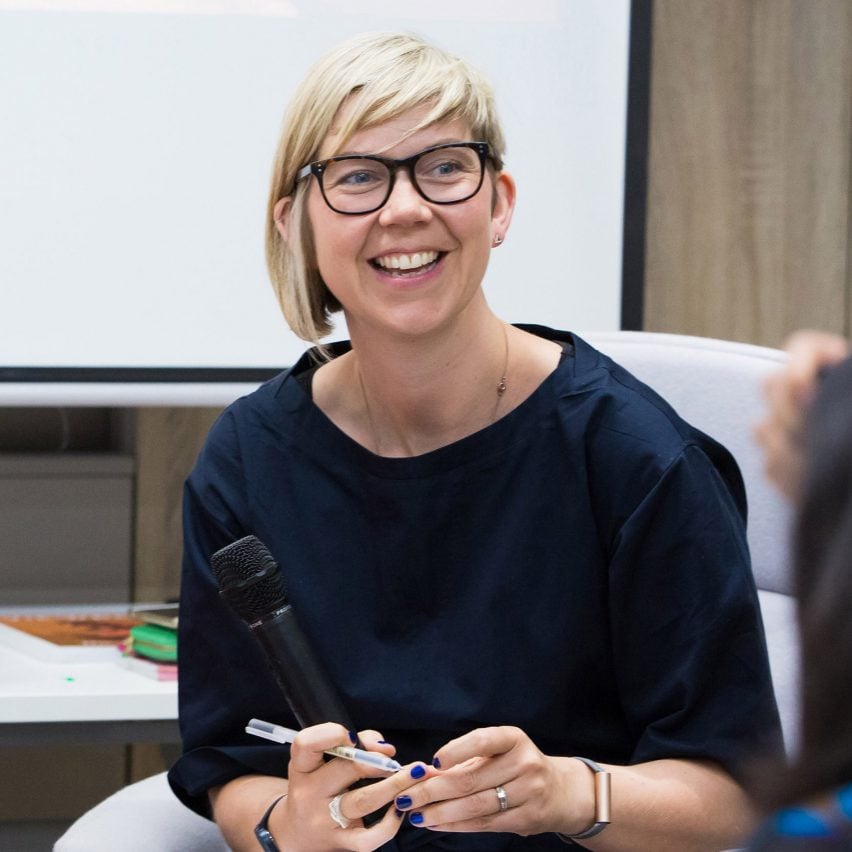
Katie Treggiden, writer and speaker
Katie Treggiden is an English writer, podcaster and speaker known for championing circular approaches to design. Her fifth, most recent book, “Wasted: When Trash Becomes Treasure”, explores how waste materials can be upcycled using craft techniques.
She is also the founder and director of Making Design Circular, a membership community for designers seeking to make their creations more sustainable, and a Dezeen Awards judge.
Find out more about Katie Treggiden ›
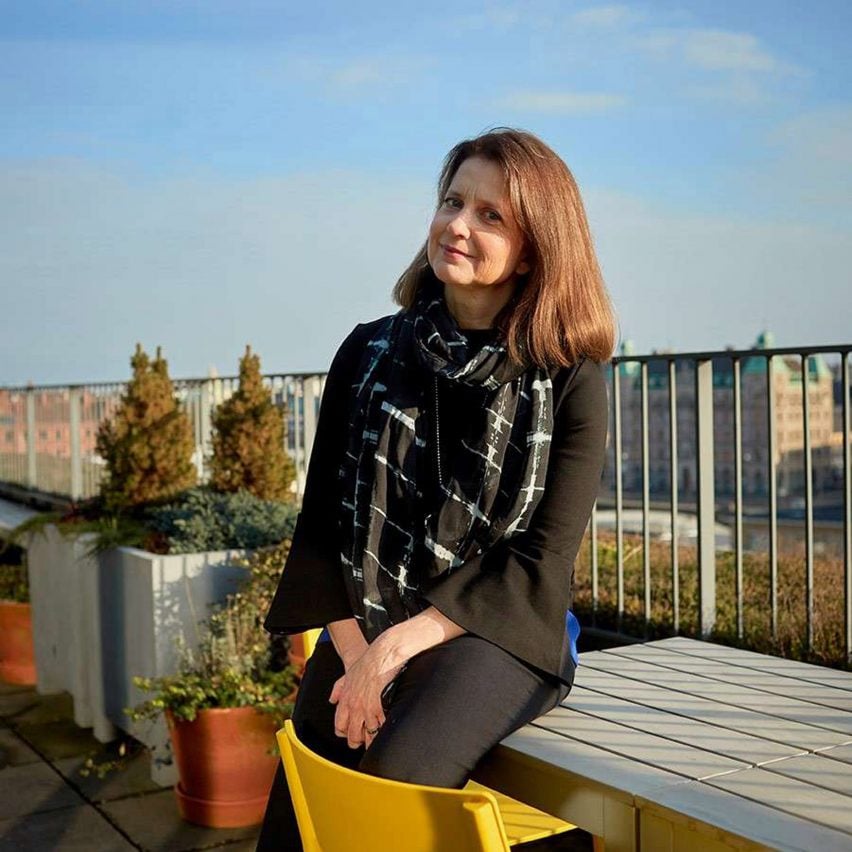
Lena Pripp-Kovac, chief sustainability officer at IKEA
Lena Pripp-Kovac is leading IKEA’s drive to become circular and climate positive by 2030, with all its products set to be made from renewable or recycled materials and able to be reused, refurbished or recycled by that date.
The giant Swedish retailer is the highest-profile corporation to have made a commitment to circularity. In a 2019 interview with Dezeen, Pripp-Kovac described the ambition as a “change of our total business”.
Find out more about IKEA ›
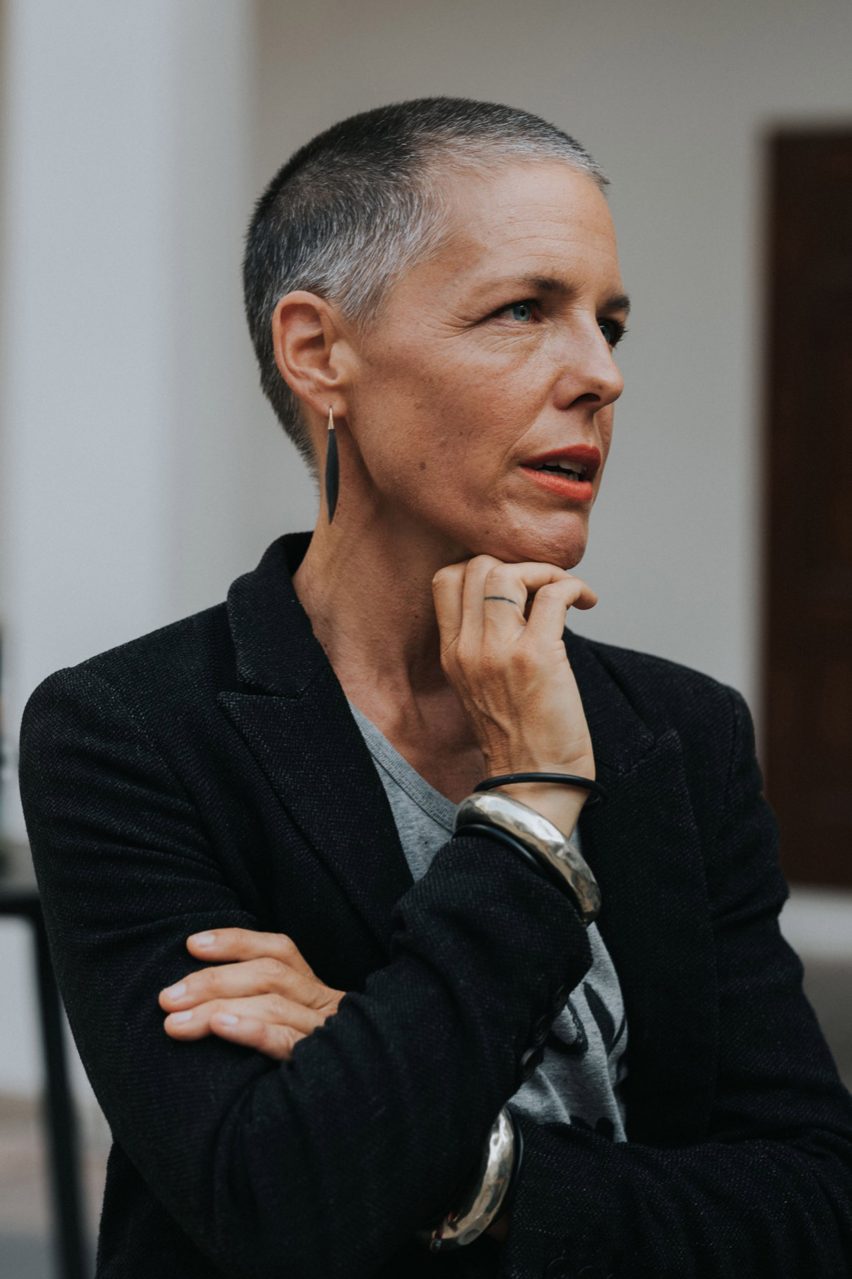
Liina Klauss, artist
Liina Klauss is a German artist based in Hong Kong and Bali. Klauss describes herself as an “artivist and beach curator” and creates environmentally-centred artworks and installations from waste found along the coast.
Klauss’ practice came as a result of working in the fashion industry and witnessing the effects and reality of mass production and over-consumption. Her work aims to help viewers visualise crises such as pollution and prompt discussion.
She previously collaborated with Daniel Mitchell (see above) on the Katamama hotel in Bali, celebrated for its use of local crafts and materials, and appeared alongside him on a panel for a Dezeen talk about the project.
Find out more about Liina Klauss ›
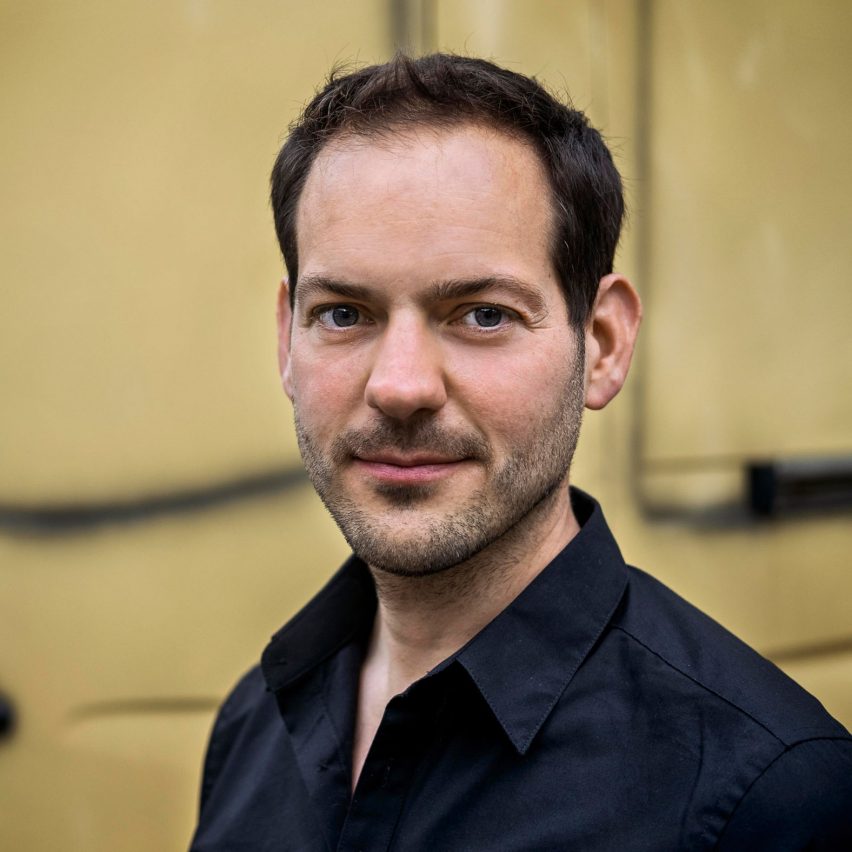
Lucas De Man, CEO of Biobased Creations
Lucas De Man, is an actor, director and TV presenter, as well as founder and CEO of Dutch company Biobased Creations.
Biobased Creations is leading the way in using biomaterials in its installations and events spaces. Noteworthy projects by the studio include a pavilion constructed with panels grown from mushroom mycelium and a show home built using 100 different plant-based or natural materials including seaweed, vegetable fibres and sewage.
In a 2021 interview with Dezeen, De Man laid out his belief that buildings could “definitely” soon be made exclusively from plant-based products.
Find out more about Biobased Creations ›

Marco Vermeulen, founder of Studio Marco Vermeulen
Marco Vermeulen is a Dutch architect and founder of his namesake design office Studio Marco Vermeulen. Vermeulen is known for his use of timber and raw materials to create sustainable buildings as well as his research into sustainable forestry and how it can be used to form a circular approach to construction.
Studio Marco Vermeulen has created many works that address sustainability issues and demonstrate the potential of timber in architecture, including a timber pavilion for Dutch Design Week 2019 and a design for a pair of cross-laminated timber skyscrapers.
Find out more about Studio Marco Vermeulen ›
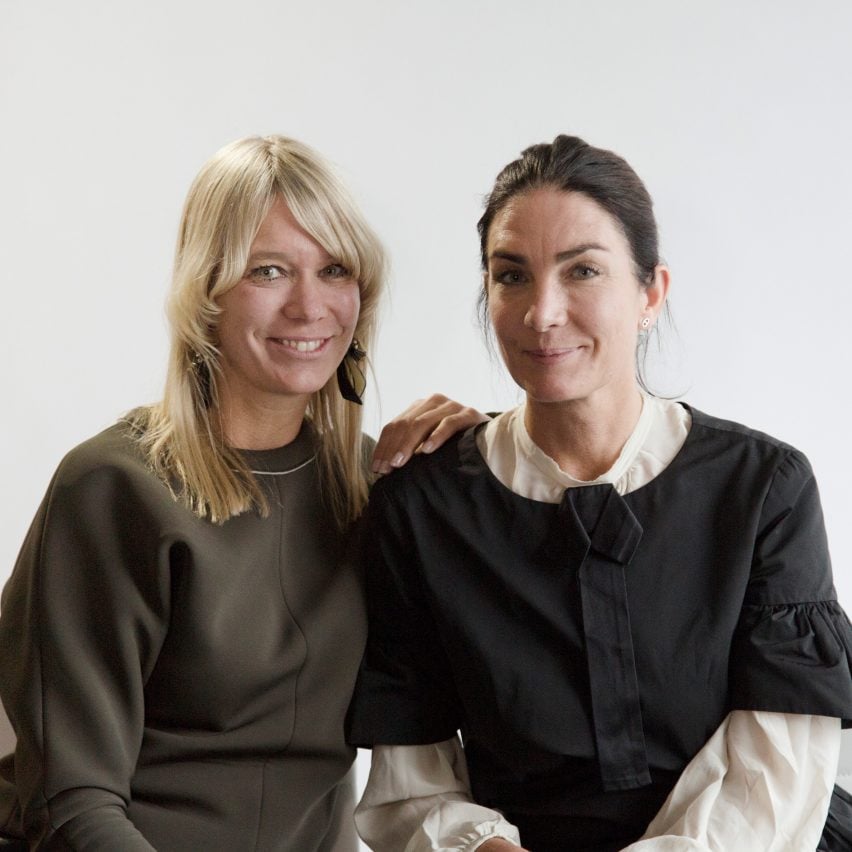
Marie and Annica Eklund, co-founders of Bolon
Sisters Marie and Annica Eklund have headed Swedish flooring company Bolon since 2003. The family firm has been recycling vinyl and textile offcuts into woven rag rugs for over 70 years, but under their stewardship it has transformed into a global brand.
Describing their company as championing circularity, the pair have invested in a vinyl recycling plant for its factory in Sweden.
In 2017, Dezeen ran an exclusive video series with the Eklund sisters exploring Bolon’s history of sustainable design and technology.
Find out more about Bolon ›

Marie Cudennec Carlisle, CEO and co-founder of Goldfinger
Marie Cudennec Carlisle accredits her affection for nature to her upbringing in rural Hong Kong. She co-founded her studio, Goldfinger, in 2017 alongside Oliver Waddington-Ball and continues to lead the firm as CEO.
Goldfinger is a social enterprise that makes furniture using only recycled wood – but rather than a “shabby chic” aesthetic it intends for its pieces to be high-end and long-lasting.
“It’s about creating beautiful objects that don’t look recycled,” Cudennec Carlisle told Dezeen in an interview. “I want someone to say, ‘I want that table’, even if they are not interested in people or planet. By buying it, they are supporting the social and environmental benefits.”
Find out more about Goldfinger ›
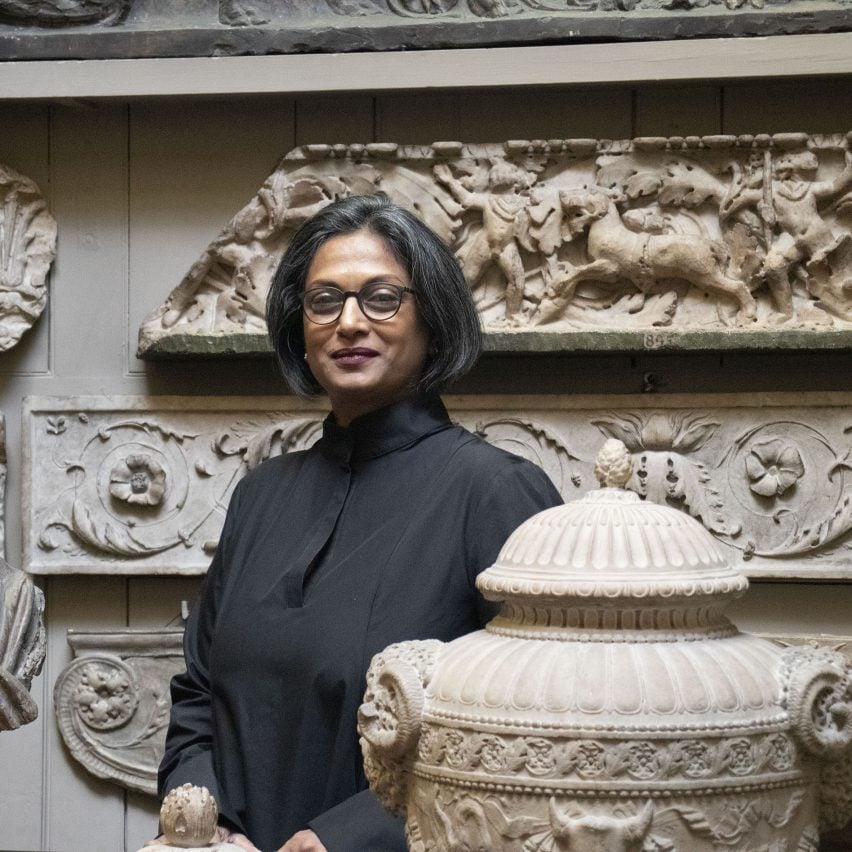
Marina Tabassum, founder of Marina Tabassum Architects
Marina Tabassum is a Bangladeshi architect who works exclusively in her home country, specialising in buildings constructed from local materials and designed to improve the lives of low-income communities.
Her Khudi Bari modular houses are an eminent example of climate-resilient architecture, able to be easily moved to escape flooding and with elevated sleeping space to avoid the water.
She was recently awarded the Soane Medeal for architecture, with the jury remarking: “All her work is underpinned by a focus on sustainability and Tabassum is truly leading the conversation about the ways in which architecture, people and planet interact.”
Find out more about Marina Tabassum ›

Marjan van Aubel, designer
Marjan van Aubel earned a place on this list through her innovative work proving the varied potential of solar power.
The young Dutch designer has developed ingenious small products like a table with a solar panel in its surface for charging gadgets, as well as large installations like the vast solar panel skylight created for the Netherlands pavilion at the 2020 Dubai Expo, intended to show that solar can be beautiful.
Van Aubel is also the co-founder of The Solar Biennale, which will take place for the first time this year in Rotterdam.
Find out more about Marjan van Aubel ›

Michael Green, founder of Michael Green Architecture
Canadian architect Michael Green is at the forefront of mass timber innovation in North America and the world. He has authored two books on the subject and delivered a TED Talk titled “Why we should build wooden skyscrapers”.
His eponymous studio designed T3, which was the largest mass timber building in the United States when it was completed in 2016. It is now working on a timber office building in New Jersey nearly twice the size of T3.
Find out more about Michael Green Architecture ›
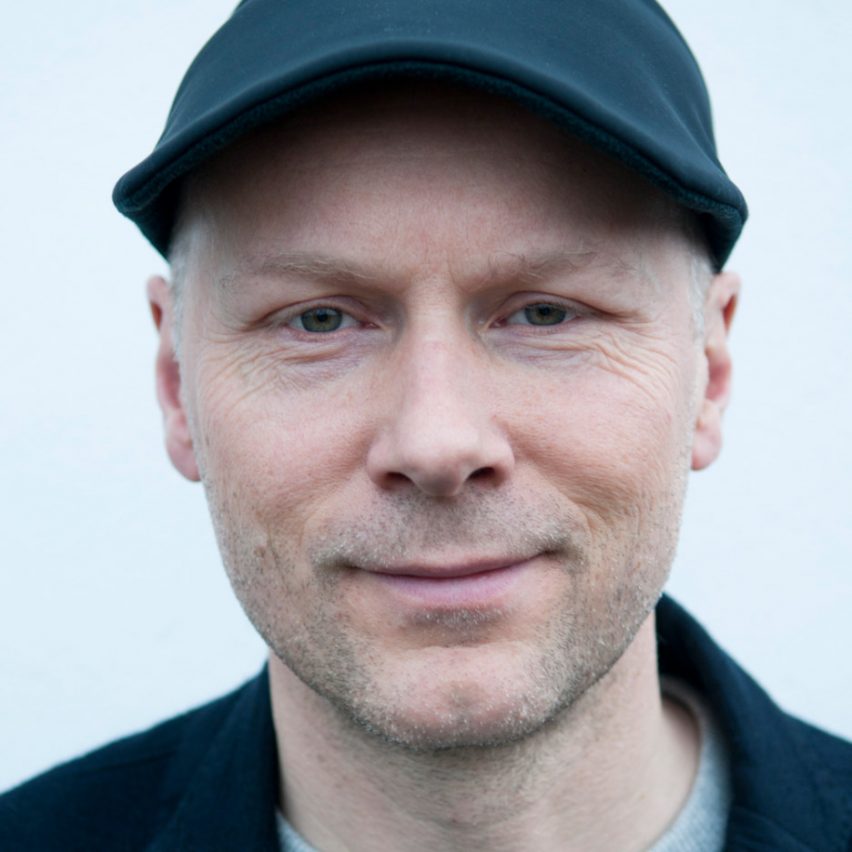
Michael Pawlyn, co-founder of Architects Declare
Michael Pawlyn is an architect who specialises in the concepts of biomimicry and regenerative design that is beneficial for the planet, humans and other species.
He carries out much of his work with Exploration Architecture, the studio that he founded in 2007. One of its most notable projects is The Sahara Forest Project in Qatar – a seawater-cooled greenhouse that replicates the physiology of a beetle to create freshwater and grow crops within the hostile landscape.
In 2019, Pawlyn also co-initiated Architects Declare, a network of architecture studios that has pledged to help tackle the climate and biodiversity crises.
Find out more about Michael Pawlyn ›
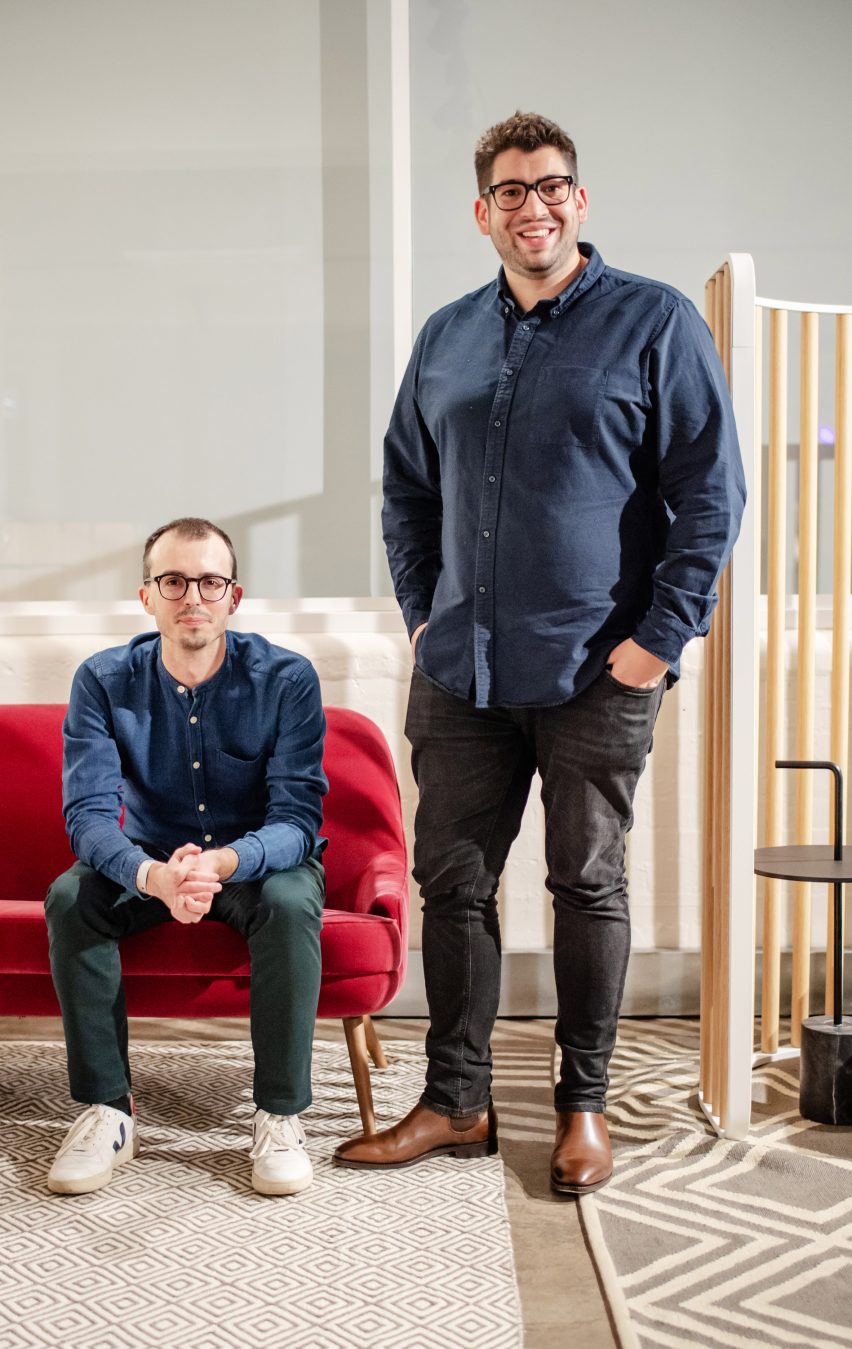
Nick Shute and Stefan Dodds, co-founders of Dodds & Shute
Nick Shute and Stefan Dodds are co-founders of London design consultancy and procurement firm Dodds & Shute, which has a track record in convincing clients to go for sustainable options.
Together, they have made the firm a case study for positive change in the furniture industry, developing a method of calculating the carbon footprint of every Dodds & Shute project and then mitigating for this impact.
Dodds & Shute also devised and conducted an environmental audit of furniture brands, warning that the sector is “turning a blind eye” to climate issues.
Find out more about Dodds & Shute ›

Nienke Hoogvliet, designer
A young Dutch designer who is leading in the use of biomaterials and changing perspectives on environmental problems in the textile industry, Nienke Hoogvliet founded her studio for material research and design in 2013.
Hoogvliet’s projects include bowls and tables made from waste toilet paper and a furniture collection made from seaweed and algae.
In 2019, she appeared on a panel at the Dezeen Day conference where she urged an end to the production of plastics.
Find out more about Nienke Hoogvliet ›
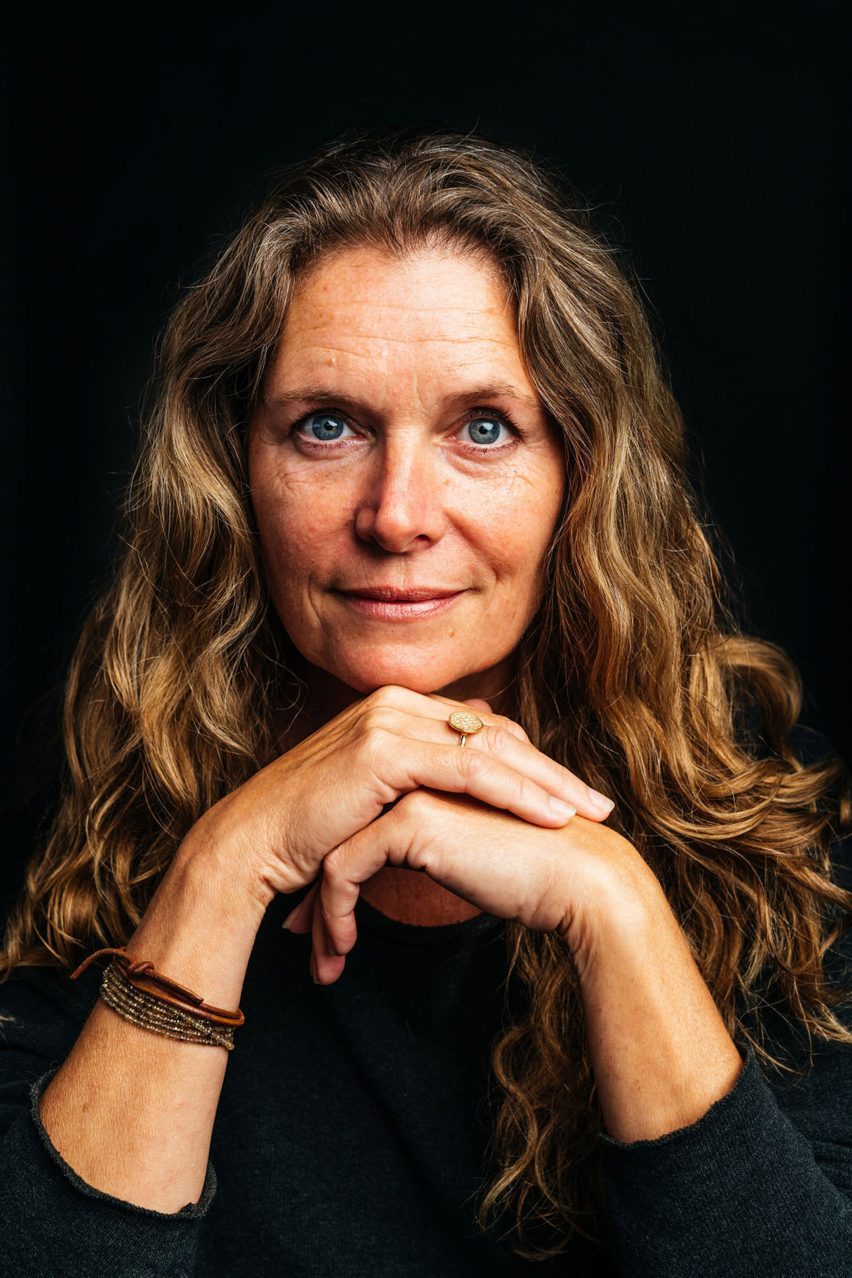
Nina-Marie Lister, professor of Urban & Regional Planning at Ryerson University
Nina-Marie Lister is an ecological designer and planner and an academic at Ryerson University in Toronto, where she founded the Ecological Design Lab.
In 2021, she was awarded the Margolese National Design for Living Prize for her work, which focuses on how urban landscapes can be reimagined to foster biodiversity and climate resilience as well as prioritising human wellbeing. In November, she took part in a Dezeen talk on the relationship between design and activism.
Find out more about Nina-Marie Lister ›
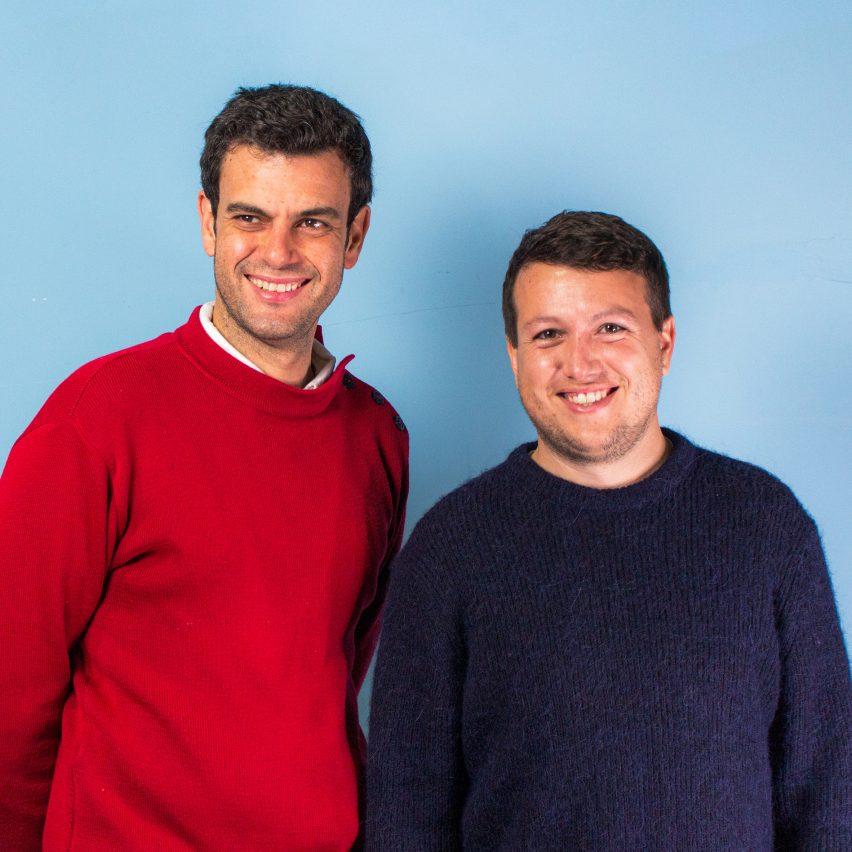
Pierre Paslier and Rodrigo Garcia Gonzalez, founders of Notpla
Pierre Paslier and Rodrigo Garcia Gonzalez founded Notpla in 2014 while studying Innovation Design Engineering – a master’s programme run jointly by the Royal College of Art and Imperial College London.
Notpla is a shortening of “not plastic”, and it develops materials designed “to make packaging disappear”.
The Dezeen Award-nominated studio creates biodegradable substances from seaweed and plants, including edible sachets that can hold condiments and paper made with seaweed by-products.
Find out more about Notpla ›
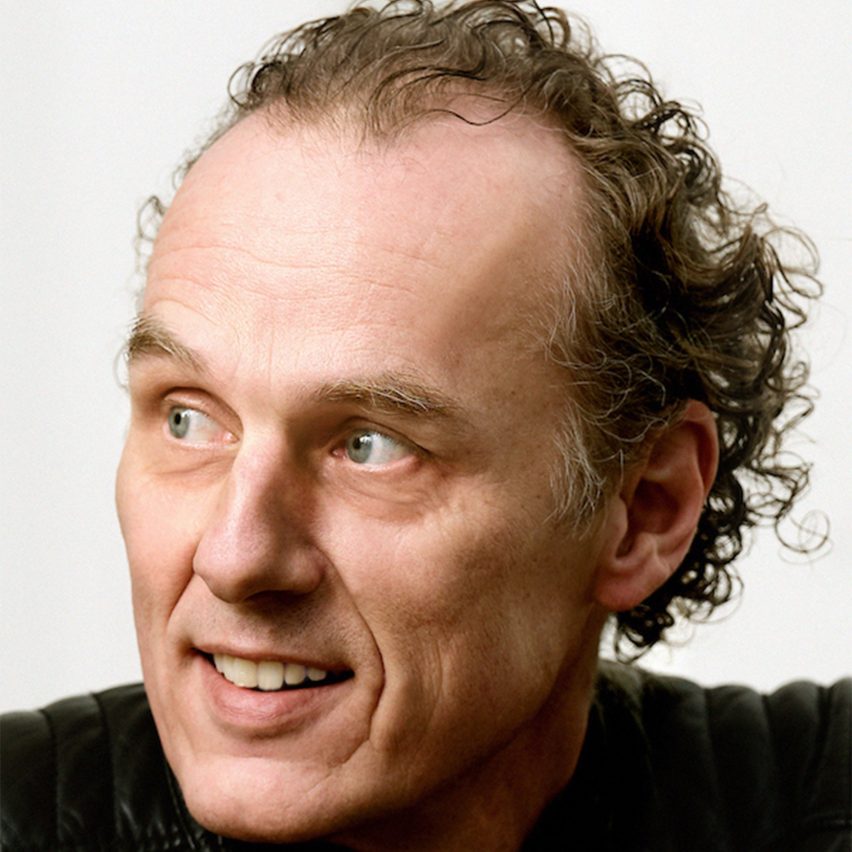
Richard Hutten, designer
Richard Hutten is an influential designer from the Netherlands who creates furniture, products and interiors and is known for his playful, colourful style.
He is also a major proponent of circular design, warning in 2019 that brands that fail to embrace the circular economy will go out of business and describing plastic as “the cancer of our planet”.
Hutten’s recent projects include the creation of 27,000 airport chairs for Amsterdam’s Schiphol airport made entirely from recycled, recyclable or biodegradable materials, which he claimed reduced their carbon impact by 95 per cent relative to comparable products.
Find out more about Richard Hutten ›
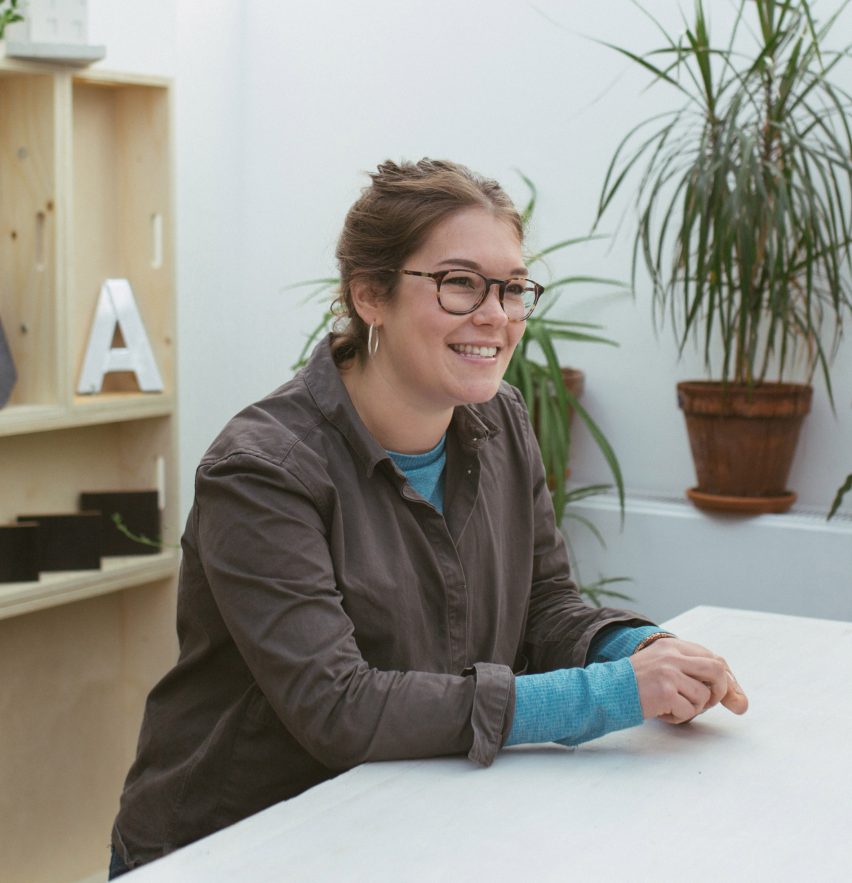
Sarah Broadstock, architect at Studio Bark
Sarah Broadstock is one of seven architects who make up Studio Bark, a young London studio pioneering environmentally-conscious architecture.
With the studio, she has designed a biodegradable building made with cork and a modular construction system that encourages people to self-build and has been used as “protest architecture” by Extinction Rebellion.
While practising as an architect, Broadstock is also on the RIBA Guerilla Tactics steering group and is an active member of the Architects Climate Action Network.
Find out more about Studio Bark ›
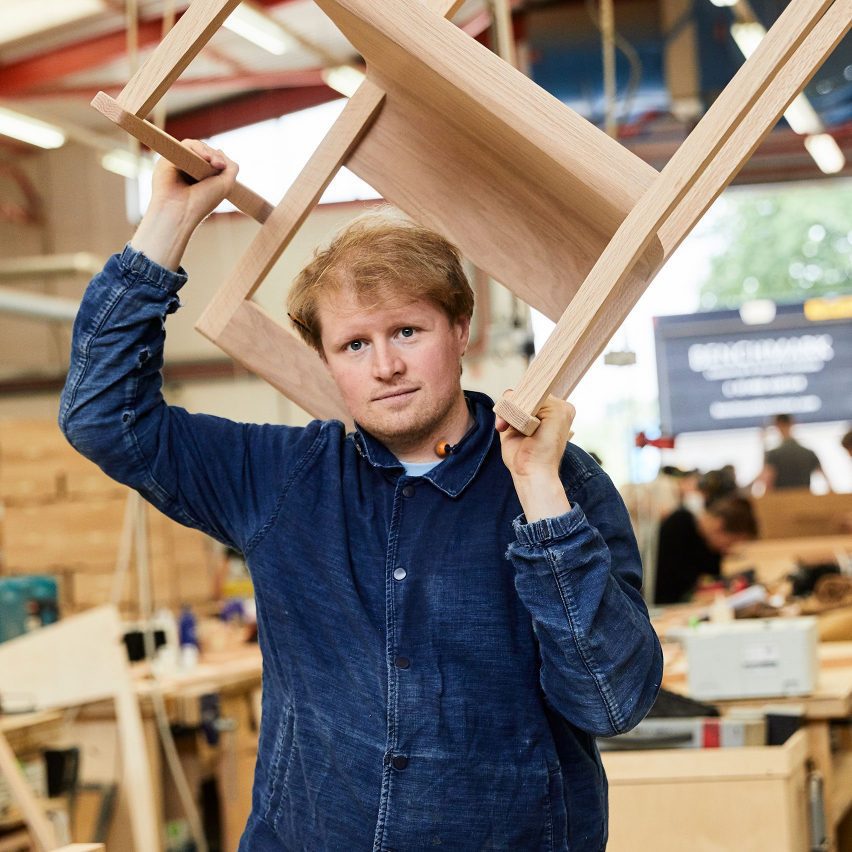
Sebastian Cox, furniture designer
British furniture designer Sebastian Cox is a leader in using locally grown timber to make his products, as well as eliminating the carbon footprint of his business.
In a 2021 interview with Dezeen, he declared that his workshop is “already carbon negative by some long stretch” thanks to sourcing wood from a forest that is never cut down faster than it regenerates.
Cox has also urged designers to understand how the carbon cycle could be used as a resource to help improve sustainability.
Find out more about Sebastian Cox ›
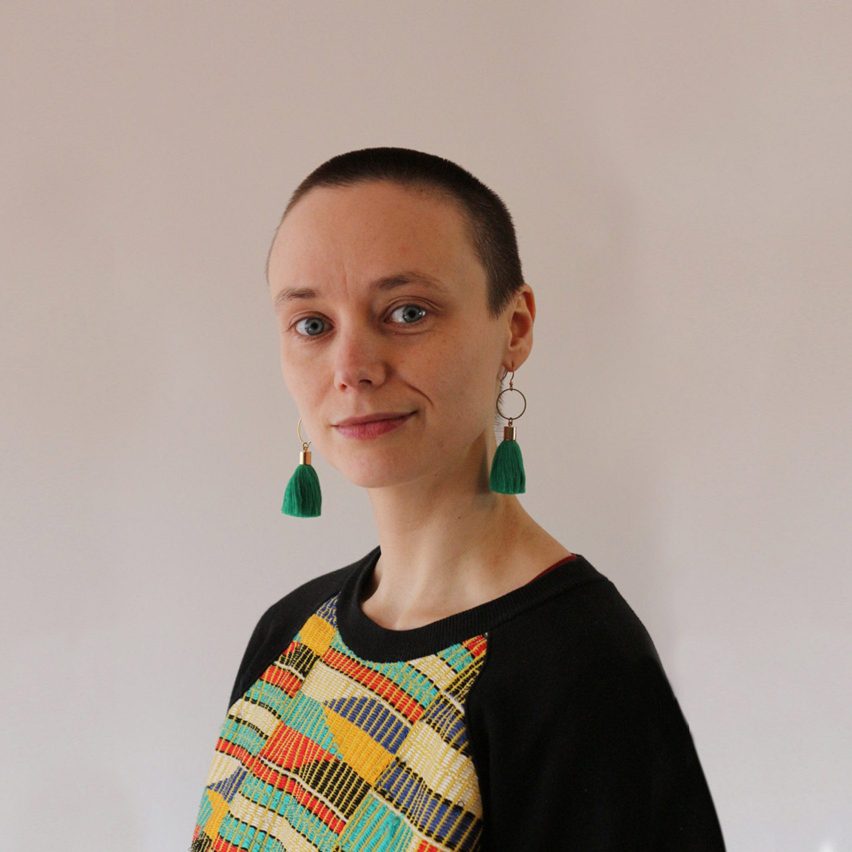
Smith Mordak, director of sustainability at Buro Happold
As the director of sustainability at engineering firm Buro Happold and founder of award-winning architecture practices Interrobang and Studio Weave, Smith Mordak works across disciplines to decarbonise the built environment.
They engage directly with policymakers to affect broader systemic changes beyond their own projects, acting as design advocate to London mayor Sadiq Khan as well as editing the landmark Built for the Environment Report released by RIBA and Architects Declare ahead of the COP 26 climate conference last year.
In their personal life, Mordak declared themselves carbon neutral in 2020 after slashing their footprint by giving up air travel and becoming vegan.
Find out more about Smith Mordak ›
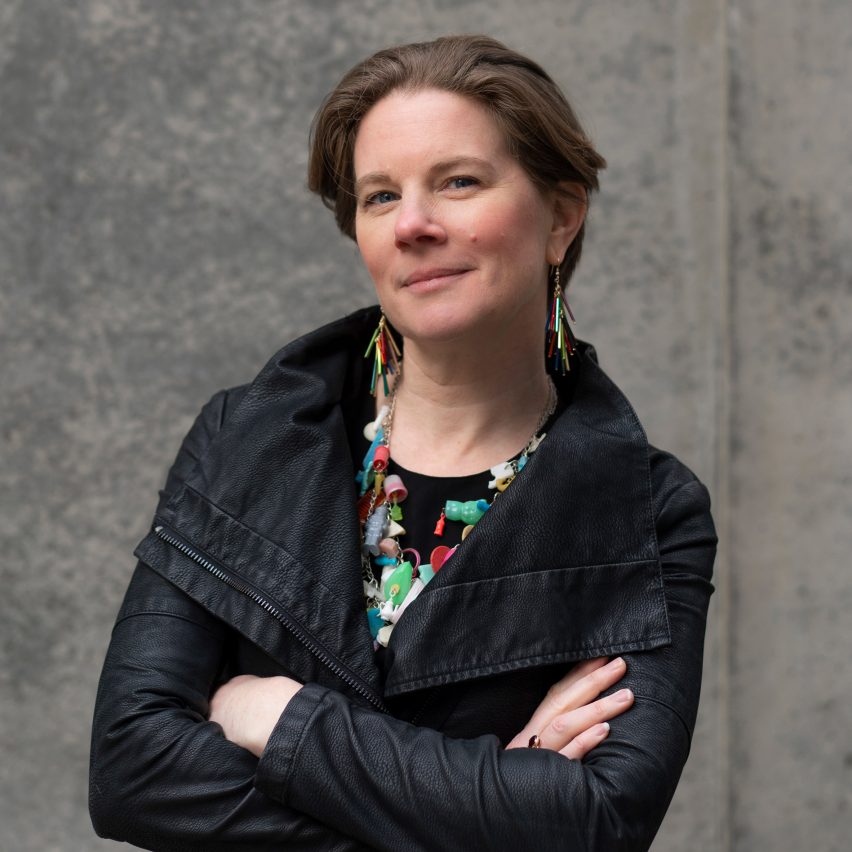
Sophie Thomas, partner at Thomas.Matthews
Sophie Thomas is a British designer and environmentalist, who co-founded the London sustainable communication-design studio Thomas.Matthews.
Through various projects and initiatives, such as The Great Recovery, a pioneering project that explored the circular potential of different materials, Thomas has become a leading voice in the discussion about how organisations can reduce their carbon impacts and the role for designers.
She previously wrote a list of 10 steps for designers seeking to reduce the emissions caused by their products for Dezeen, as well as auditing the carbon impact of our Dezeen Day conference in 2019.
Find out more about Sophie Thomas ›
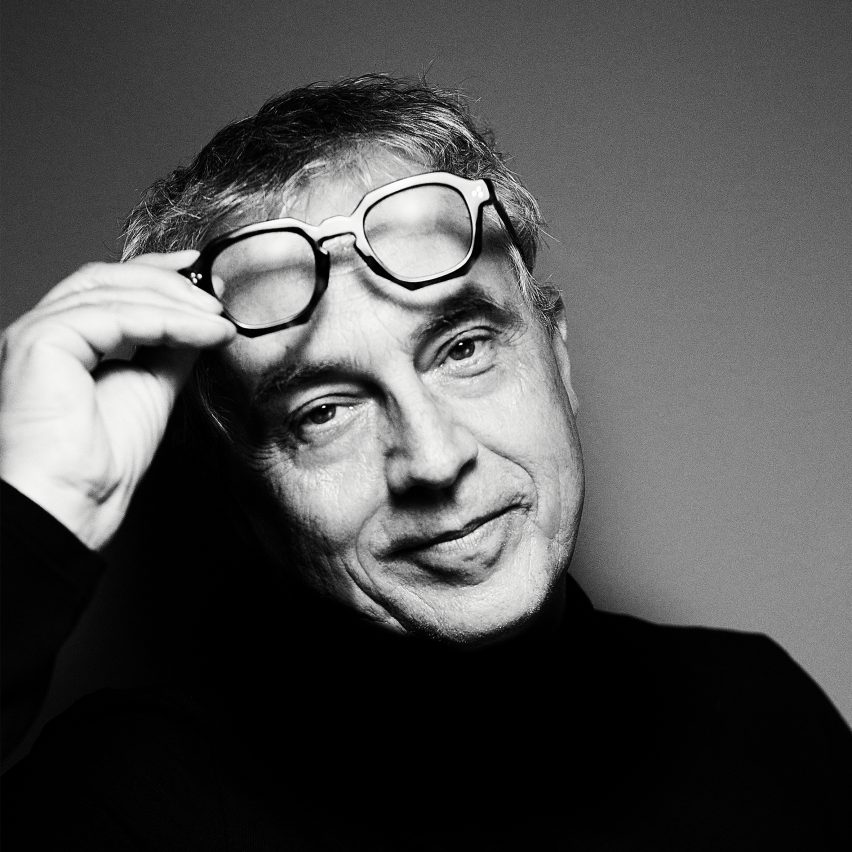
Stefano Boeri, founder of Stefano Boeri Architetti
Stefano Boeri is an Italian architect known for spearheading Vertical Forests – a building concept where the facades of towers are covered with plants to encourage biodiversity in urban areas.
Boeri has masterminded Vertical Forests all over the world, including Antwerp’s Palazzo Verde, a social housing tower with 10,000 plants in Eindhoven and an apartment complex in China.
The architect is also responsible for Milan’s Forestami project, which plans to plant “one tree for every inhabitant” in the city, and has recently authored a book called “Green Obsession: Trees Towards Cities, Humans Towards Forests”, launched with a talk for Dezeen.
Find out more about Stefano Boeri ›
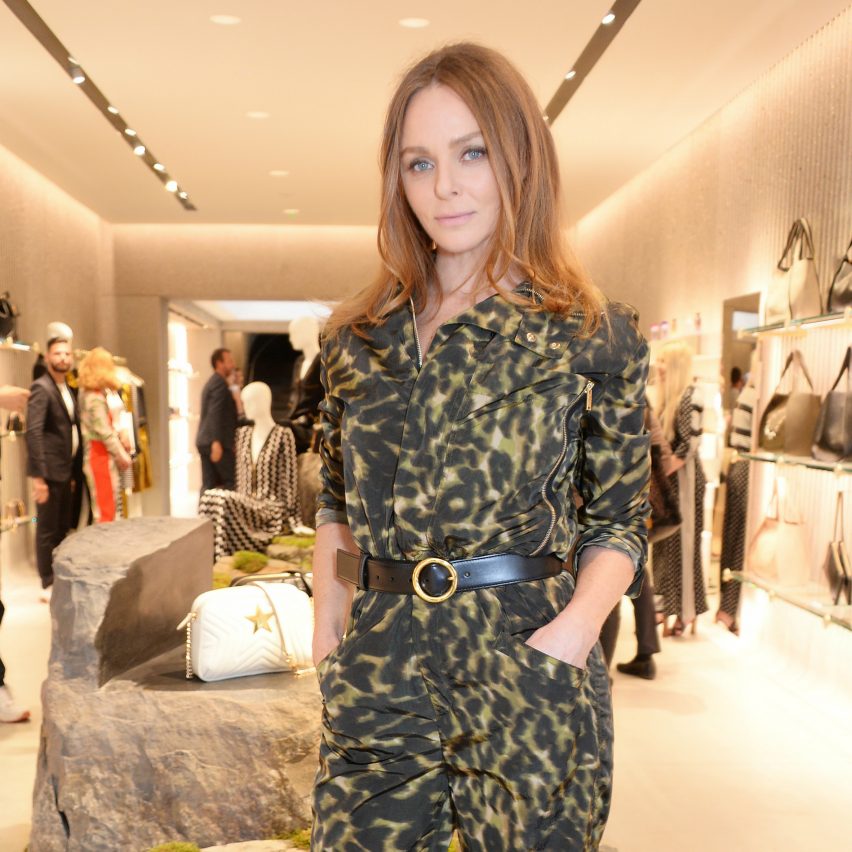
Stella McCartney, fashion designer
Stella McCartney is a British fashion designer and founder of her eponymous luxury fashion house, which centres on sustainable design and an ethical approach to fashion.
Under McCartney’s direction the house has pioneered use of sustainable material alternatives, developing clothing from mycelium and a vegan, spiderweb-like silk. In 2021, McCartney joined world leaders as the fashion industry’s representative at the G7 summit.
In a 2018 interview with Dezeen, she called for “new laws on designers” to force them to take responsibility for the sustainability of their products.
Find out more about Stella McCartney ›
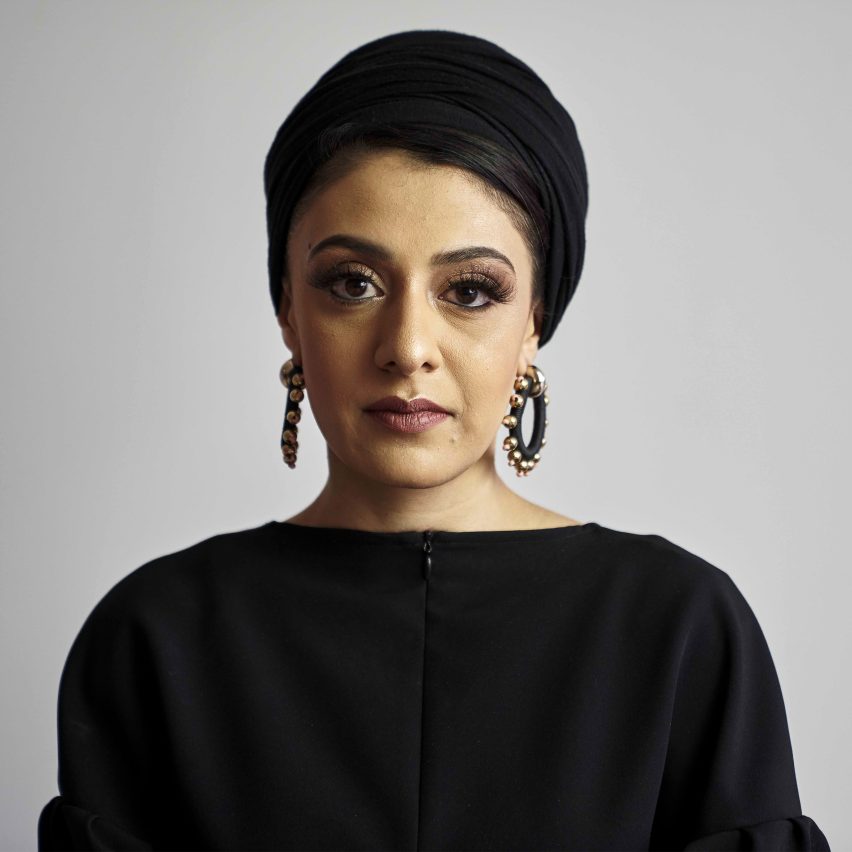
Sumayya Vally, founder of Counterspace
Sumayya Vally is a South African architect whose work as the head of the Johannesburg-based studio Counterspace is strongly focused on supporting communities and explores issues such as education, migration and ethnicity as well as sustainability.
Counterspace designed last year’s Serpentine Pavilion out of timber and other biomaterials. Construction consultant AECOM declared the structure carbon negative, claiming it removed 31 tonnes of carbon from the atmosphere.
Find out more about Sumayya Vally ›
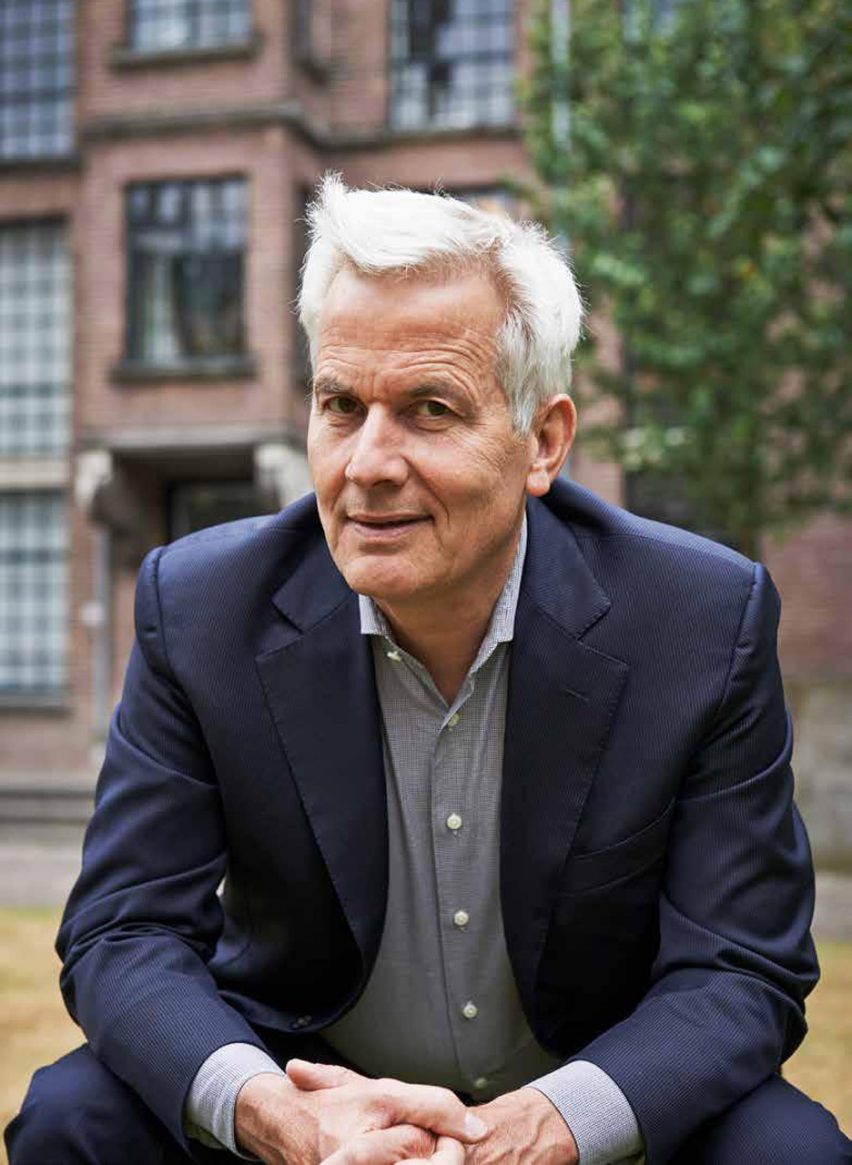
Thomas Rau, founder of RAU Architects
Through his Amsterdam-based studio RAU Architects, Thomas Rau is an industry leader in reversible architecture. This involves designing buildings to be taken apart at the end of their lives so their materials can be reused.
Examples include an office building for Triodos Bank with a timber structure that the practice claims is “the first large-scale 100 per cent wooden, remountable office building”.
Find out more about RAU Architects ›
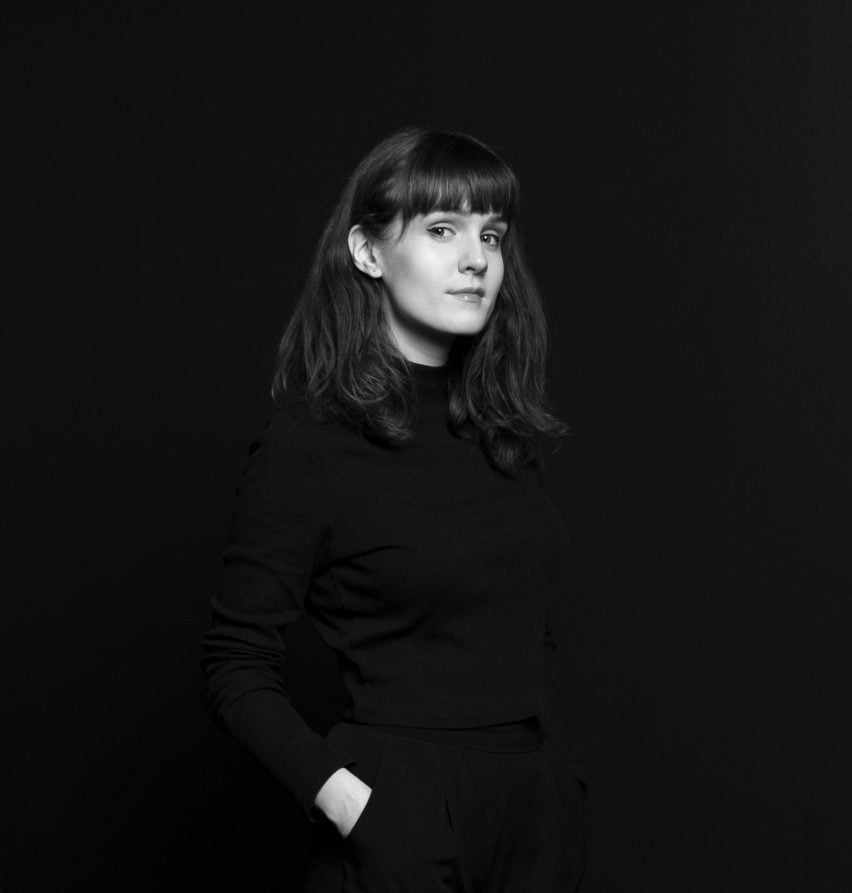
Valdís Steinarsdóttir, designer
Independent Icelandic designer Valdís Steinarsdóttir creates provocative products intended to show how recycled organic materials could replace synthetics to reduce waste and emissions.
Her projects include vest tops made from moulded jelly and dissolvable food packaging crafted from animal skin taken as meat industry by-products.
Find out more about Valdís Steinarsdóttir ›
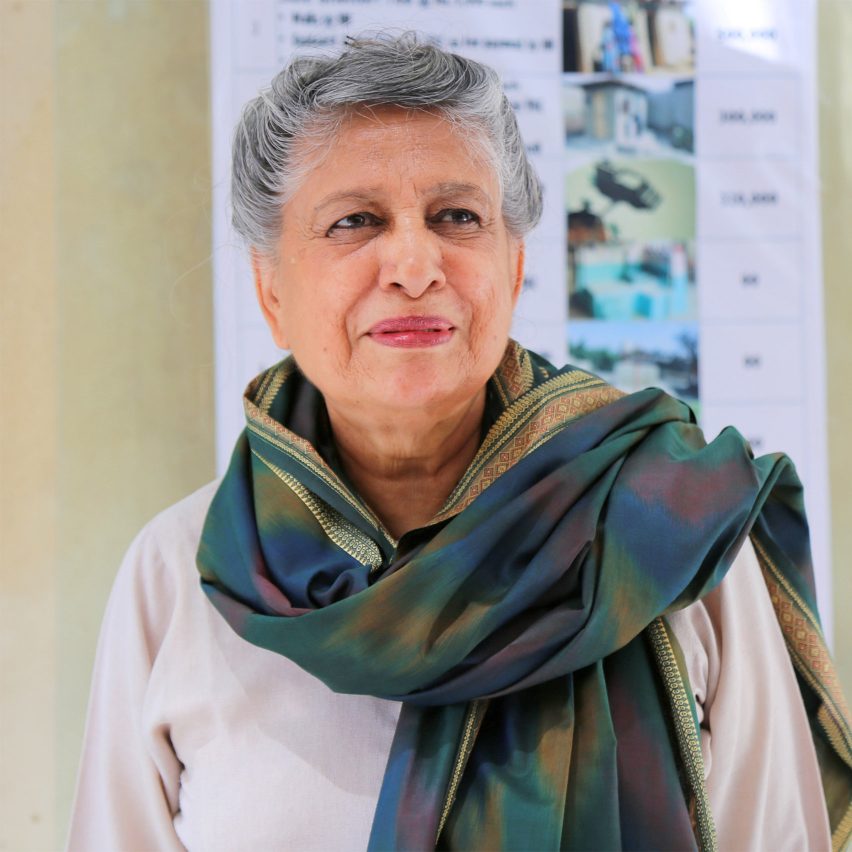
Yasmeen Lari, architect and founder of the Heritage Foundation of Pakistan
After abandoning a career designing glitzy commercial buildings, architect Yasmeen Lari has devoted her life to creating socially and environmentally sustainable architecture that benefits disadvantaged people.
She is also the founder of the non-profit organisation Heritage Foundation of Pakistan, through which she has built thousands of low-cost homes with low-carbon materials.
In her contribution to Dezeen 15, Lari, who was the first Pakistani woman to qualify as an architect, explained her philosophy of “barefoot social architecture”, which treads lightly on the planet by prioritising traditional construction techniques and materials such as mud and bamboo.
Find out more about Yasmeen Lari ›
Dezeen is on WeChat!
Click here to read the Chinese version of this article on Dezeen’s official WeChat account, where we publish daily architecture and design news and projects in Simplified Chinese.



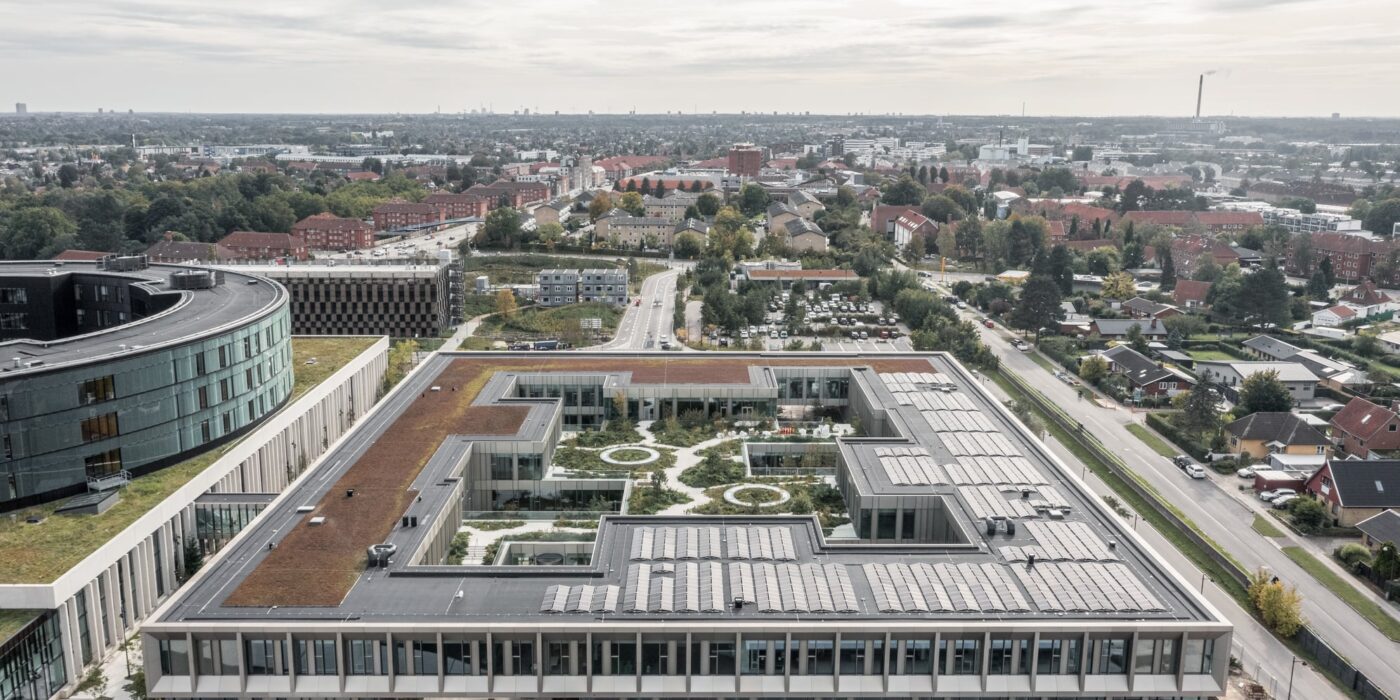
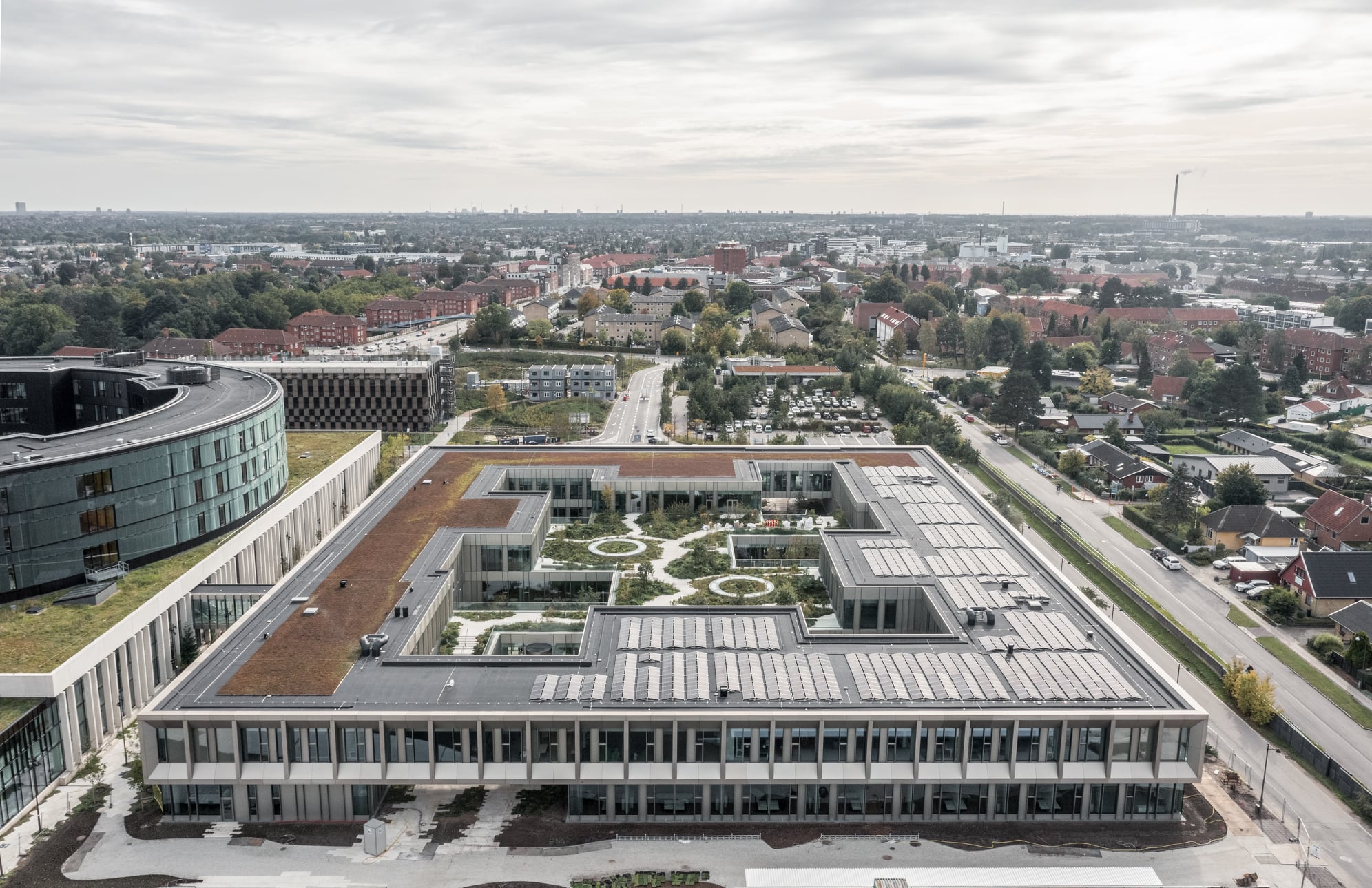
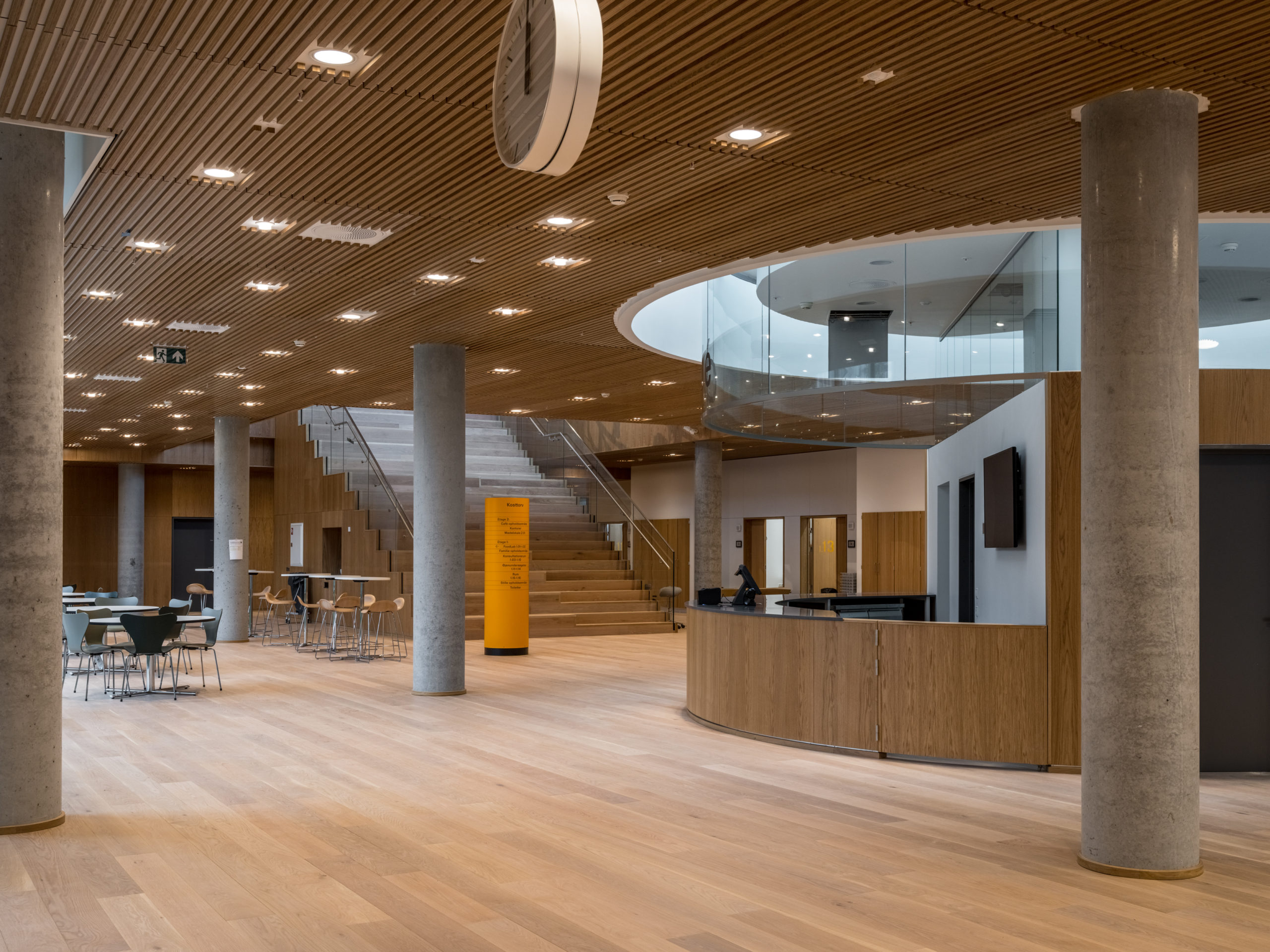 Steno Diabetes Center Copenhagen is a hospital for preventing and treating diabetes. The hospital occupies a rectangular site with two entrances open on two opposite sides. There are four inner gardens on the first floor and two of them greet the visitors immediately upon their entry. Common areas such as circulation spaces and reception sit in the middle of the floor plan, while most individual rooms are lined on the outer ring.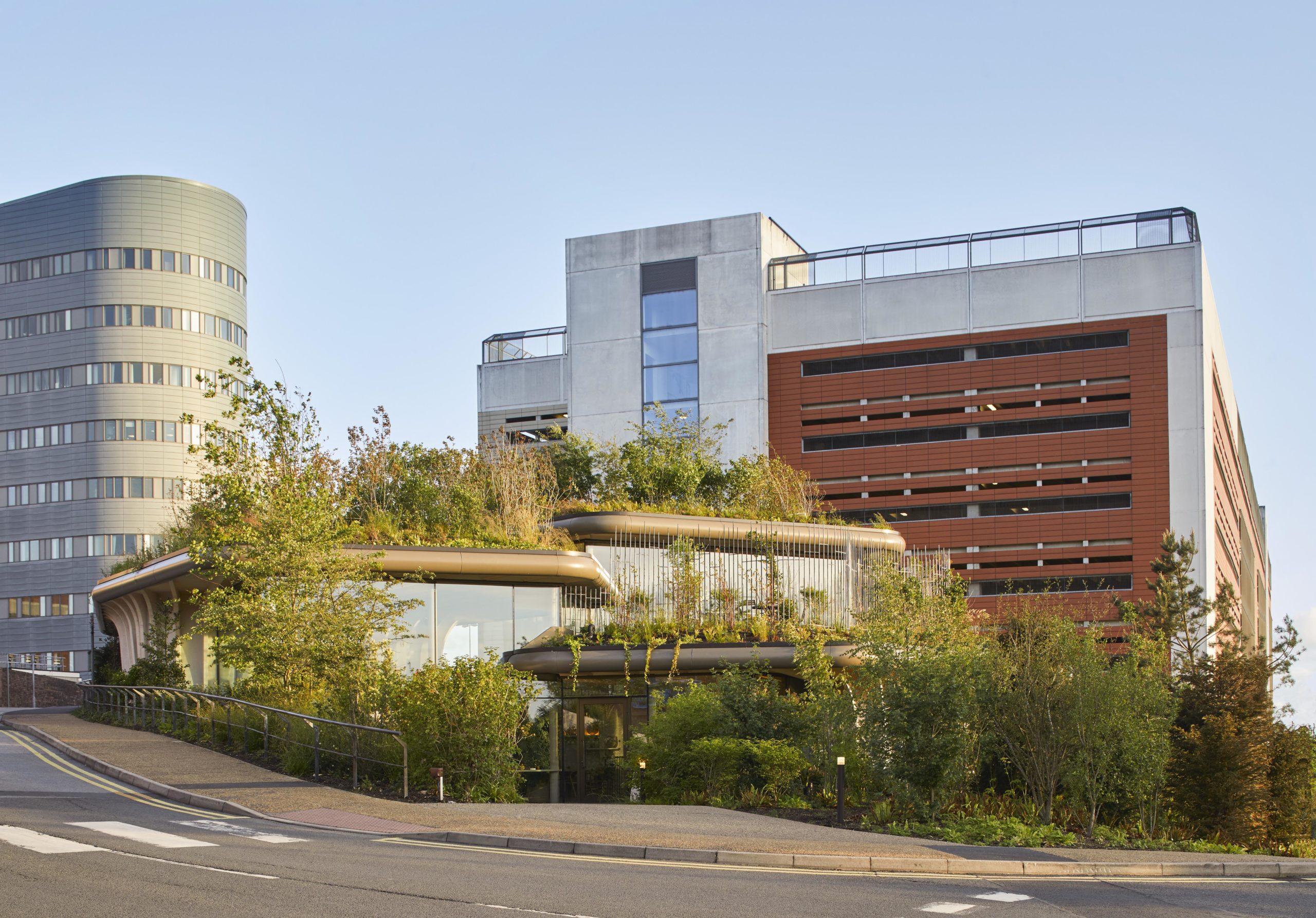
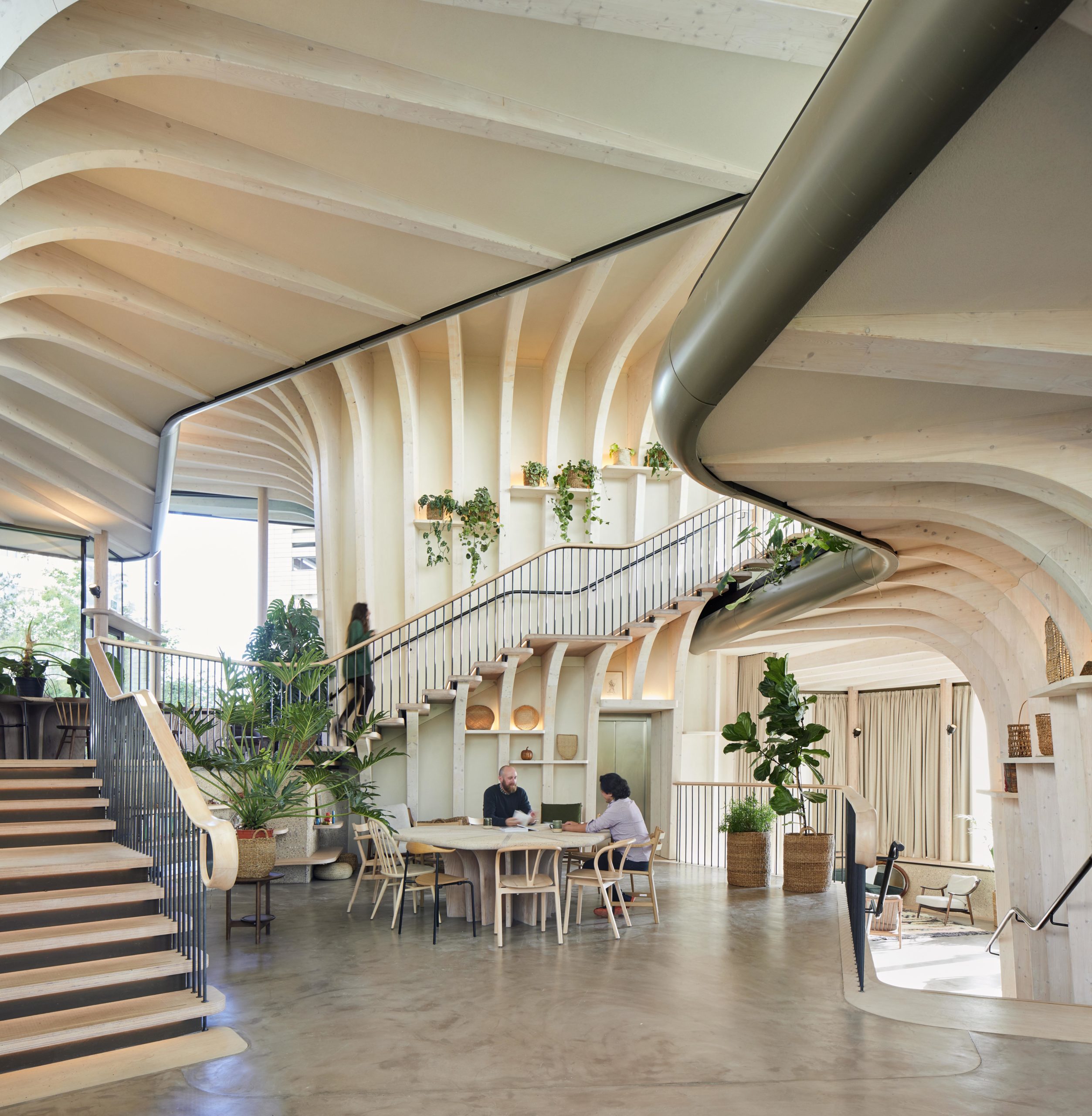 Maggie’s centers provide free cancer support and information to patients and their friends and families. The centers are located across the UK, each in a unique style while all of them embrace nature as a way of healing. Maggie’s Leeds stands on the last patch of greenery at St James’s University Hospital. The sloping site is bounded by roads and a multi-story car park. Instead of flattening the landscape, the spaces descend along the landscape, creating views that vary from open to secluded.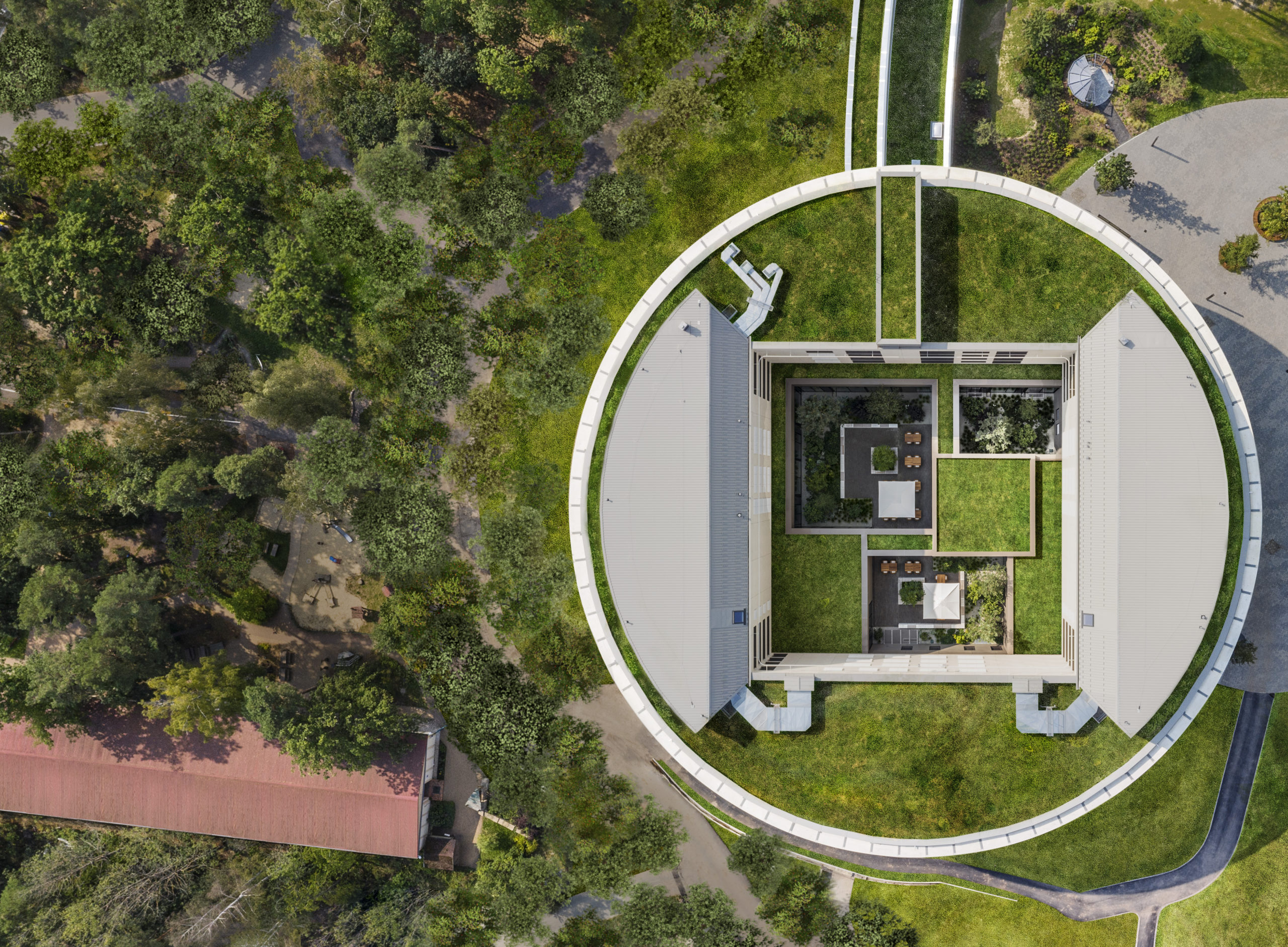
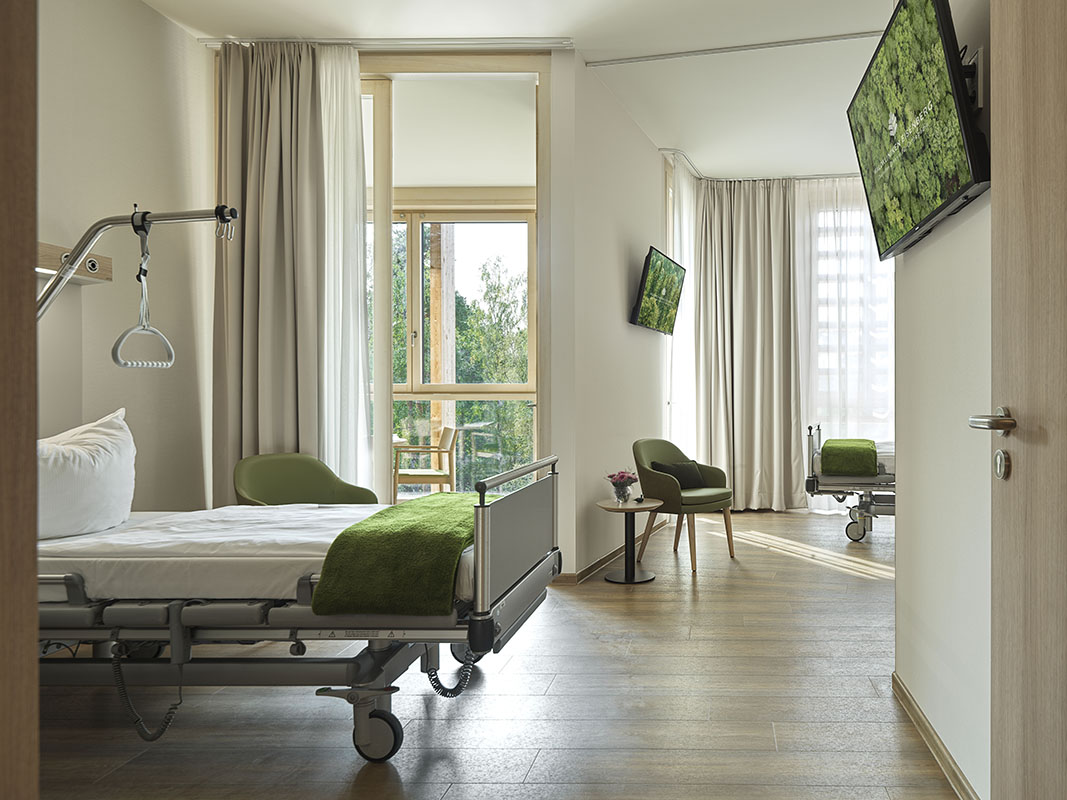 This new hospital wing of the orthopedic center Waldkliniken Eisenberg enjoys an immersive view of the Thuringian Forest. The six-story building has 128 patient rooms, all located on the outer ring of the circular floor plans. Floor-to-ceiling windows invite unblocked views of the natural landscape into the rooms while providing natural light and fresh air to the rooms.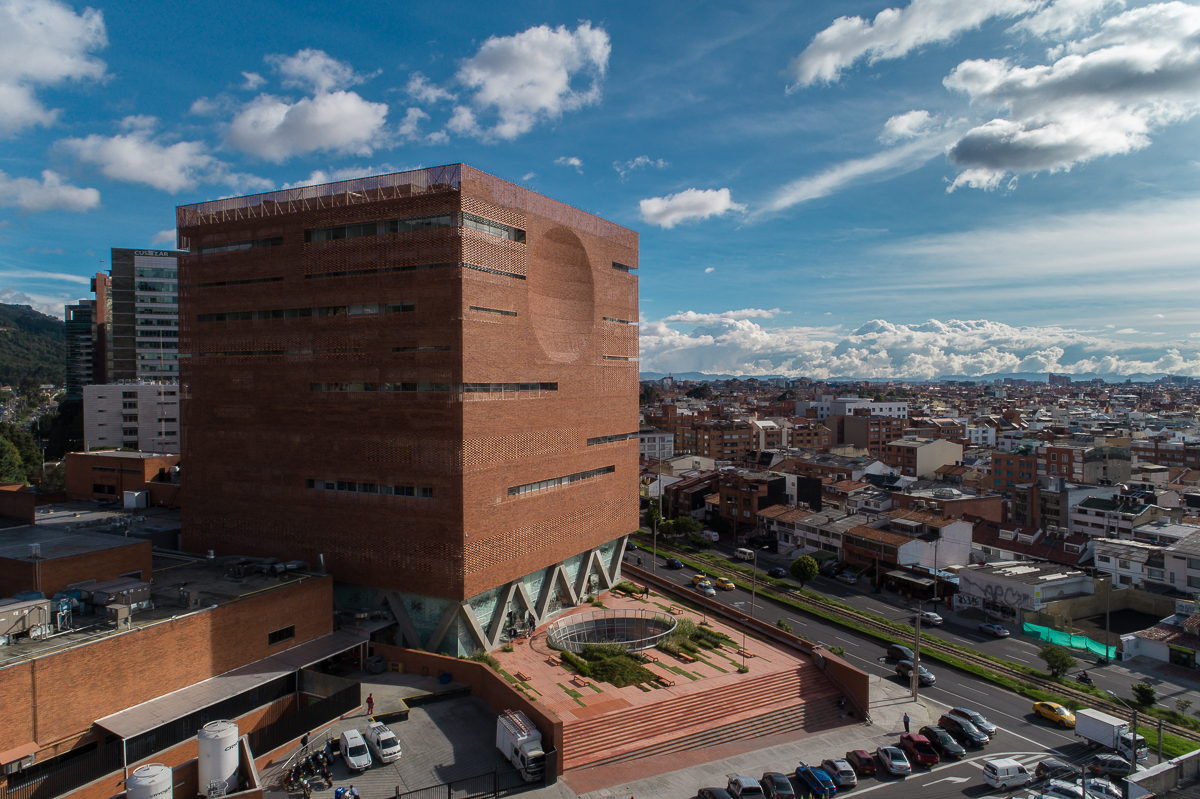
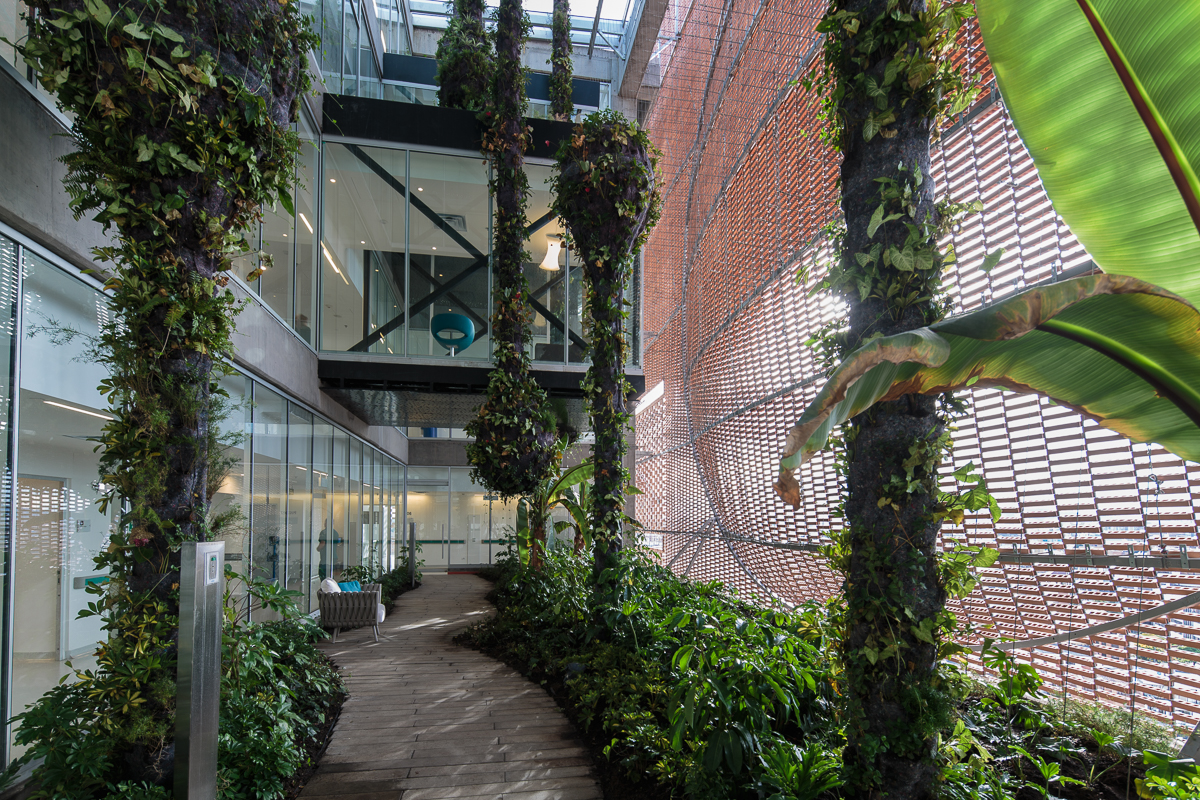 The expansion of Santa Fe de Bogotá Foundation is sited in the compact urban context of the city of Bogotá. It comprises an eleven-story block and a single-story base. The roof of the base becomes a plaza opening to the roads, with staircases inviting people onto it. Red bricks cover the expansion as a response to the existing buildings around. Strips of pavement on the plaza are replaced by plants. Different types of plants vary in height, breaking the flatness and solidity of the brick plaza.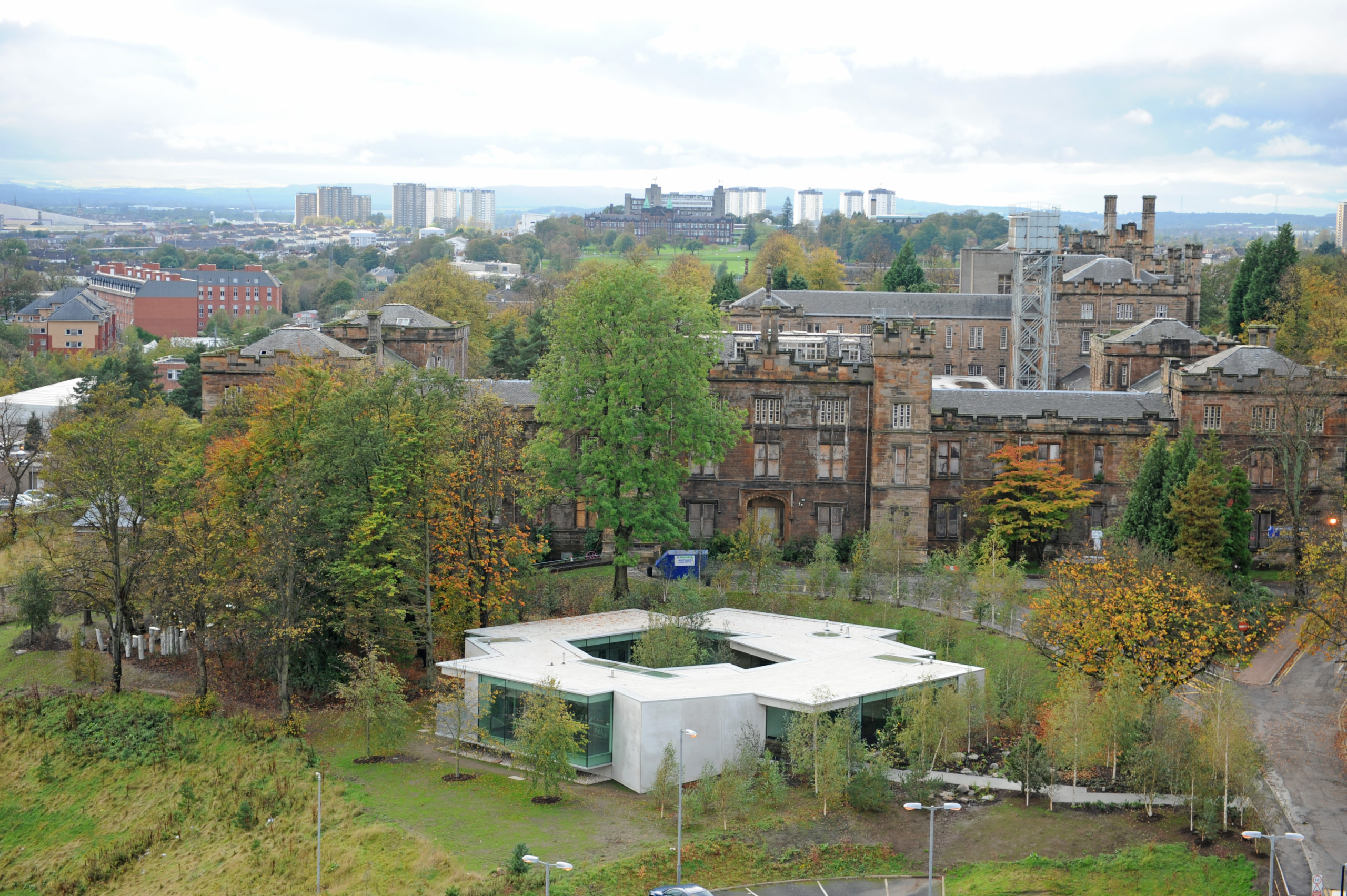
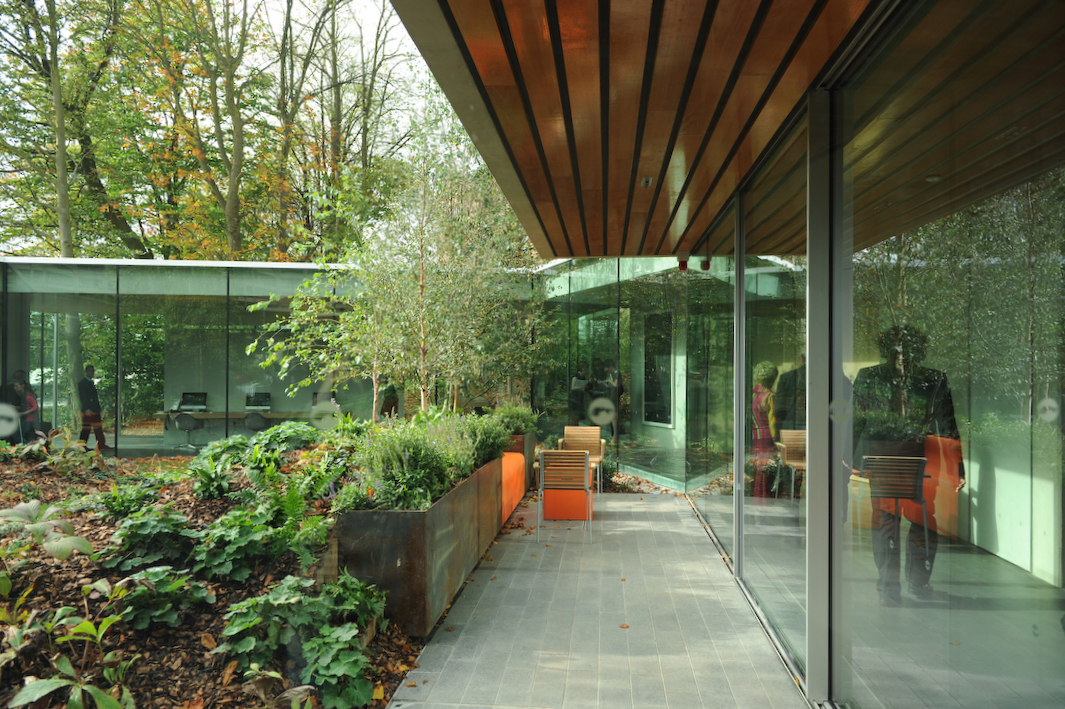 Maggie’s Gartnavel sits humbly on the land of the Gartnavel hospital in Glasgow, close to the Beatson West of Scotland Cancer Centre. The single-level volume comprises a series of interlocking rooms, with an inner garden in the middle of the ring of rooms. With a flat roof and floor levels that respond to the natural topography, the rooms vary in height. Common areas including the dining room, kitchen, library and a large activity room are on the side with taller ceilings and the counseling rooms are more intimate.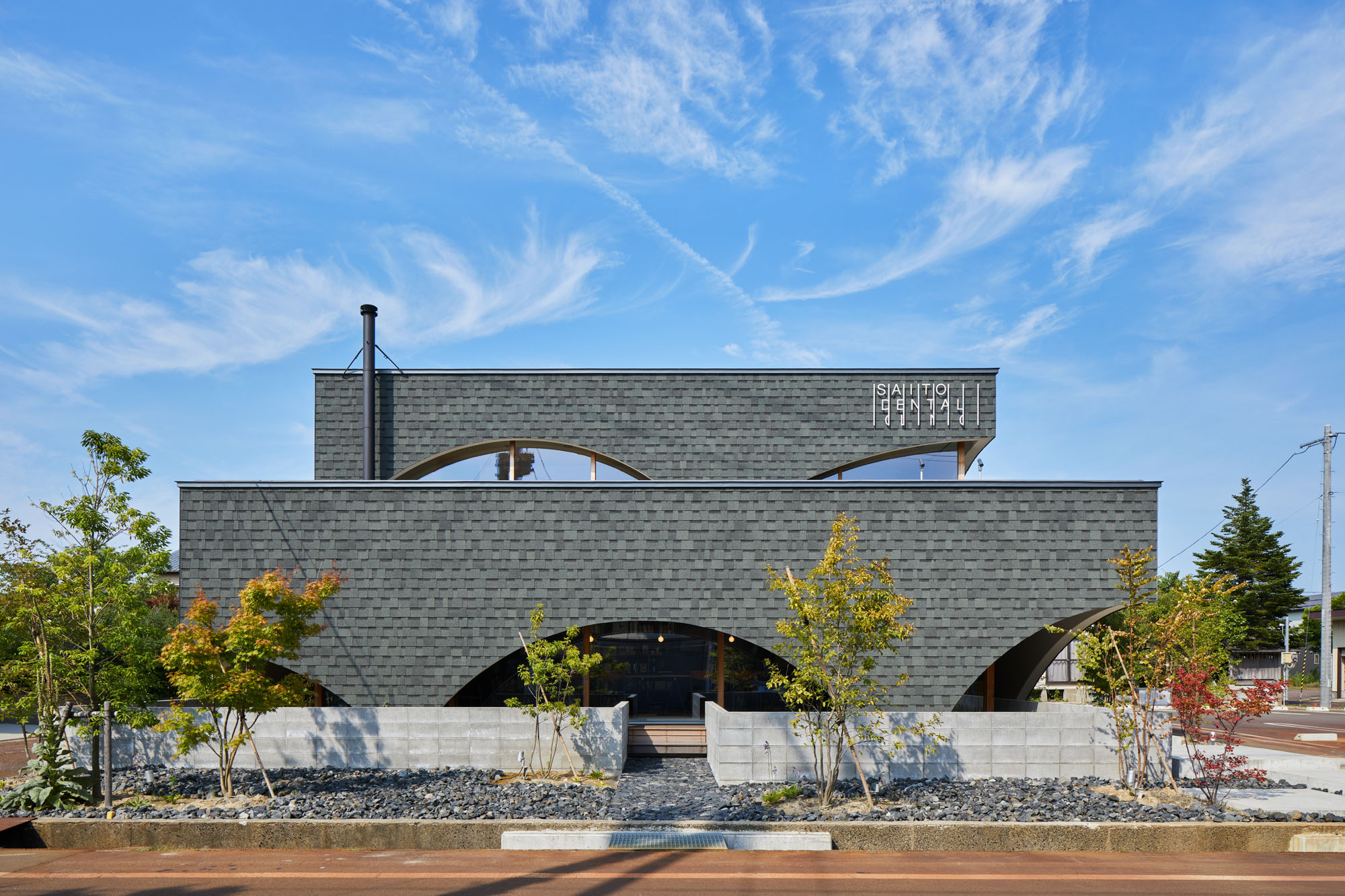
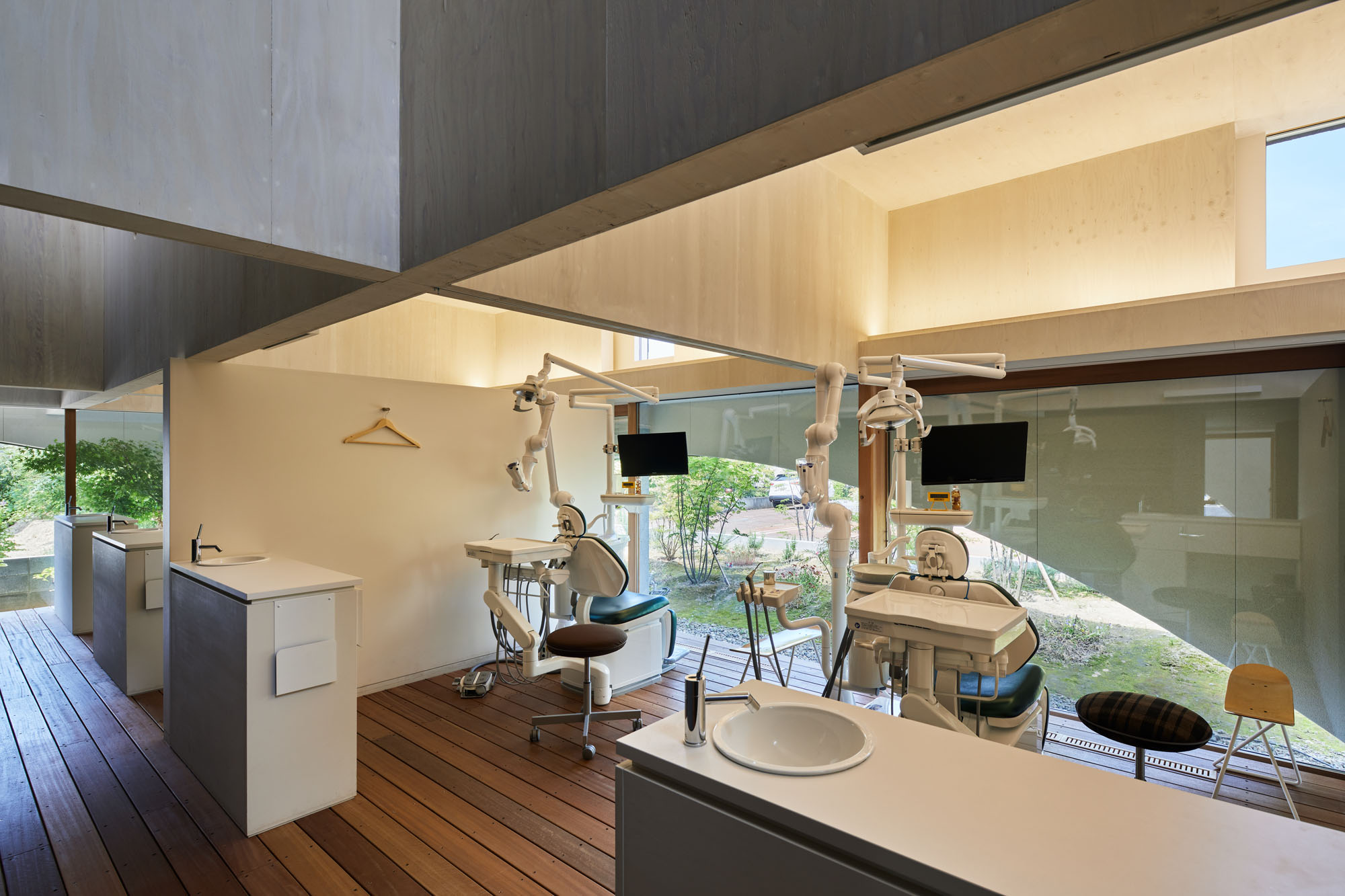 Neighboring a nursery, elementary school and junior high school, this dental clinic is designed as an enjoyable place for both children and parents. This two-story timber building accommodates not only a clinic but also a bookstore and daycare center. By combining programs, the design team wishes to encourage people to come not just for their appointment.